
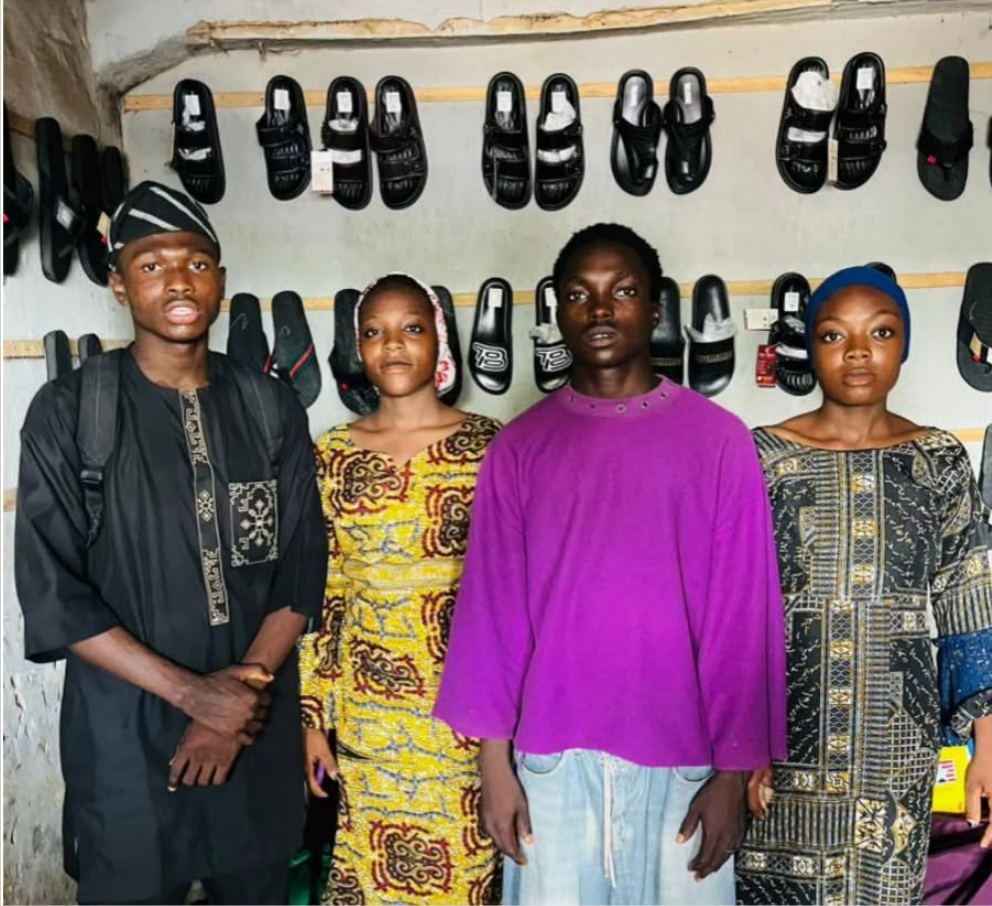
Namibia Report: Katutura Recycled-Tire Footwear Cooperative (Shoe Making from Recycled Tires)
Oukumwe Humanist Collective - Katutura, Namibia
By Katuutire Justus - September 6, 2026
Project Status: Fully Operational & Revenue-Generating
The Oukumwe Humanist Collective is pleased to present this completion and operational report for the Katutura Recycled-Tire Footwear Cooperative following its first 52 days of active establishment and production. Funded by a $300 seed grant from the Humanist Mutual Aid Network, this grassroots mutual aid initiative was created to address economic isolation, environmental degradation, and social marginalization among non-believers in our township. Over the past 52 days, the collective has successfully transformed $300 in start-up capital into a functioning, self-sustaining artisanal workspace. By upcycling hazardous, discarded automobile tires into durable, affordable sandals, the cooperative has established a safe secular hub, equipped 17 members 11 women and 6 men with practical shoemaking skills, cleaned up local township streets, and achieved steady local sales.
Upon receiving the seed funds, the collective immediately procured essential hand tools, heavy-duty cutting equipment, and initial upper materials from local suppliers in Windhoek and Katutura. All grant money was fully deployed as budgeted, covering sixty dollars for heavy-duty cutting tools and replacement blades, seventy-five dollars for canvas, webbing, and leather scraps, fifty-five dollars for basic shoemaking hand tools, forty dollars for industrial adhesives and contact cement, thirty-five dollars for hardware fasteners like rivets and thread, and thirty-five dollars for abrasives and finishing supplies. A centralized workshop space was secured in Katutura, and members organized initial street sweeps to collect discarded automobile tires, turning an environmental hazard into free raw material.
During the second half of the first month, the collective members underwent intensive hands-on artisanal training. Working collaboratively, members mastered tire-tread cutting, strap fabrication, sole shaping, and industrial adhesive bonding, producing their first batch of high-durability sandals tailored specifically for Katutura's unpaved, rocky terrain by Day 30. The shop transitioned into full production mode during Month 2, establishing an efficient daily workflow that divides responsibilities across raw material processing, upper stitching, assembly, quality control, and community outreach. Local demand for the footwear has been exceptionally strong due to its low cost and long lifespan compared to imported synthetic shoes.
During its first 22 days of active sales, spanning Days 31 to 52, the shop produced and sold 32 pairs of footwear at an average retail price of ten dollars, or approximately 180 Namibian dollars, generating 320 dollars in gross revenue. After reinvesting 110 dollars into operational expenses such as adhesive refills, replacement utility blades, thread, and strap stock, the workshop retained 210 dollars in net profit. These net profits are managed through our collective pool to fund member stipends and maintain a rolling inventory fund, guaranteeing that ongoing material costs are met without requiring additional outside grant funds.
The project has already delivered meaningful economic, environmental, and social benefits to Katutura. The 17 members now possess functional trade skills and a direct financial stake in a local business, reducing reliance on exclusionary faith-based charity networks. Environmentally, the collective has cleared over 50 discarded automobile tires from local streets and open spaces, removing potential breeding grounds for pests and hazards. Most importantly, the physical shop has evolved into an active, safe space where freethinkers gather daily to work, support one another, and demonstrate the practical power of humanist mutual aid in action. Moving forward, the cooperative will focus on scaling production toward 50 pairs per month, expanding sales into neighboring informal settlements, and cementing its financial independence.