Home
Info
Honorary Directors
Board of Directors
Staff, Advisors, Partners, Interns
Our Humanist Values
Humanist Articles by our Board Officers
Humanist Videos by our Board Officers
Promote Humanism without ridiculing religion + survey
Publicity /Media Attention
The HuMAN Song (Chad)
Humanist Mutual Aid Network VIdeos
EIN # / 501c3 & ByLaws
Tax Records / Board Meetings
Annual Reports
Logbook / Funding to Partners
Humanist Immigration & Asylum Information
Guidelines for Grant Funding
Critical Thinking
Examining Forgiveness
Contact / Donations
Africa
Nigeria Projects
Nigeria Essays
Kenya Projects
Kenya Reports
Kenya Essays
Liberia Essays
Liberia Projects
Liberia Inspection
Niger Republic Projects
Niger Republic Essays
Niger Republic Inspection
Philippines
Philippines Projects
Natives
Navajo Nation - Chinle Schools
Mohawk - Akwesasne Freedom School
FGM
Health Education and Female Genital Mutilation
Type 3 Female Genital Mutilation and Obstetric Outcomes
My opinion on Cross-Border FGM: Lessons for Togo
My views on Kenyan FGM Profile: Lessons for Togo
FGM Combat Efforts in the Horn of Africa: Reflections for Togo
Harmful Effects of Female Genital Mutilation Amongst the Vai
Female Genital Mutilation, (AME Medical Journal)
Profile of Female Genital Mutilation in Kenya
A Welcome Initiative in East Africa: EAC FGM Policy Brief
FGM: A Visual Reference and Overview”
UNFPA Policy Brief on Cross-Border FGM
UNICEF Profiile of FGM in Kenya
Policy Brief on Cross-Border FGM – UNFPA ESARO
Donate
Angola: Printing Press
Burkina Faso: Grain Processing & Storage
Cameroon: Food Dehydrator
Equatorial Guinea: Humanist Vegetable Farm
Gambia: Solar Irrigation Project
Kenya: Briquette-Making Machine
------
Our Most Urgent Need
HGC Books
Monthly Recurring Donations
Home
Info
Honorary Directors
Board of Directors
Staff, Advisors, Partners, Interns
Our Humanist Values
Humanist Articles by our Board Officers
Humanist Videos by our Board Officers
Promote Humanism without ridiculing religion + survey
Publicity /Media Attention
The HuMAN Song (Chad)
Humanist Mutual Aid Network VIdeos
EIN # / 501c3 & ByLaws
Tax Records / Board Meetings
Annual Reports
Logbook / Funding to Partners
Humanist Immigration & Asylum Information
Guidelines for Grant Funding
Critical Thinking
Examining Forgiveness
Contact / Donations
Africa
Nigeria Projects
Nigeria Essays
Kenya Projects
Kenya Reports
Kenya Essays
Liberia Essays
Liberia Projects
Liberia Inspection
Niger Republic Projects
Niger Republic Essays
Niger Republic Inspection
Philippines
Philippines Projects
Natives
Navajo Nation - Chinle Schools
Mohawk - Akwesasne Freedom School
FGM
Health Education and Female Genital Mutilation
Type 3 Female Genital Mutilation and Obstetric Outcomes
My opinion on Cross-Border FGM: Lessons for Togo
My views on Kenyan FGM Profile: Lessons for Togo
FGM Combat Efforts in the Horn of Africa: Reflections for Togo
Harmful Effects of Female Genital Mutilation Amongst the Vai
Female Genital Mutilation, (AME Medical Journal)
Profile of Female Genital Mutilation in Kenya
A Welcome Initiative in East Africa: EAC FGM Policy Brief
FGM: A Visual Reference and Overview”
UNFPA Policy Brief on Cross-Border FGM
UNICEF Profiile of FGM in Kenya
Policy Brief on Cross-Border FGM – UNFPA ESARO
Donate
Angola: Printing Press
Burkina Faso: Grain Processing & Storage
Cameroon: Food Dehydrator
Equatorial Guinea: Humanist Vegetable Farm
Gambia: Solar Irrigation Project
Kenya: Briquette-Making Machine
------
Our Most Urgent Need
HGC Books
Monthly Recurring Donations
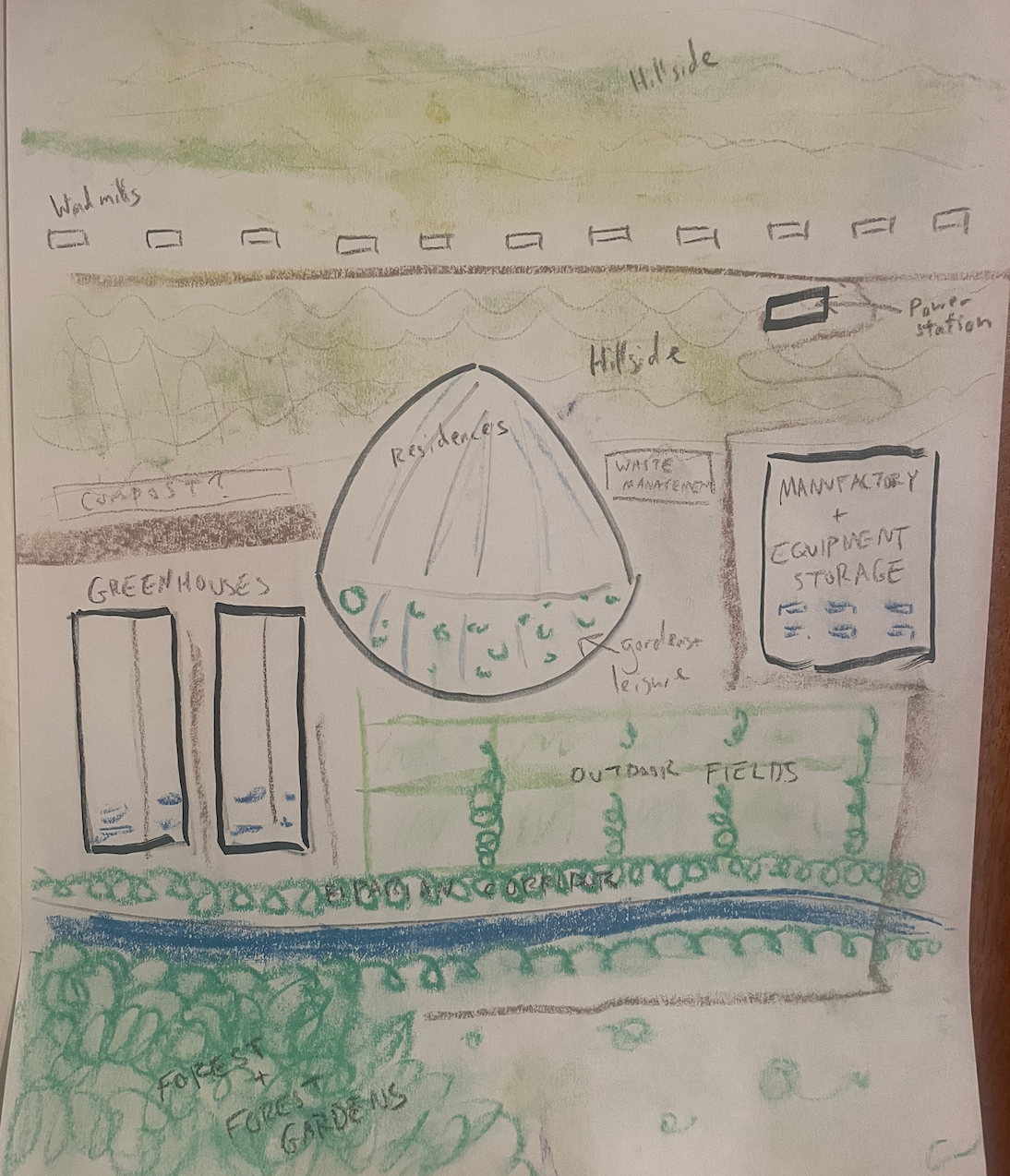
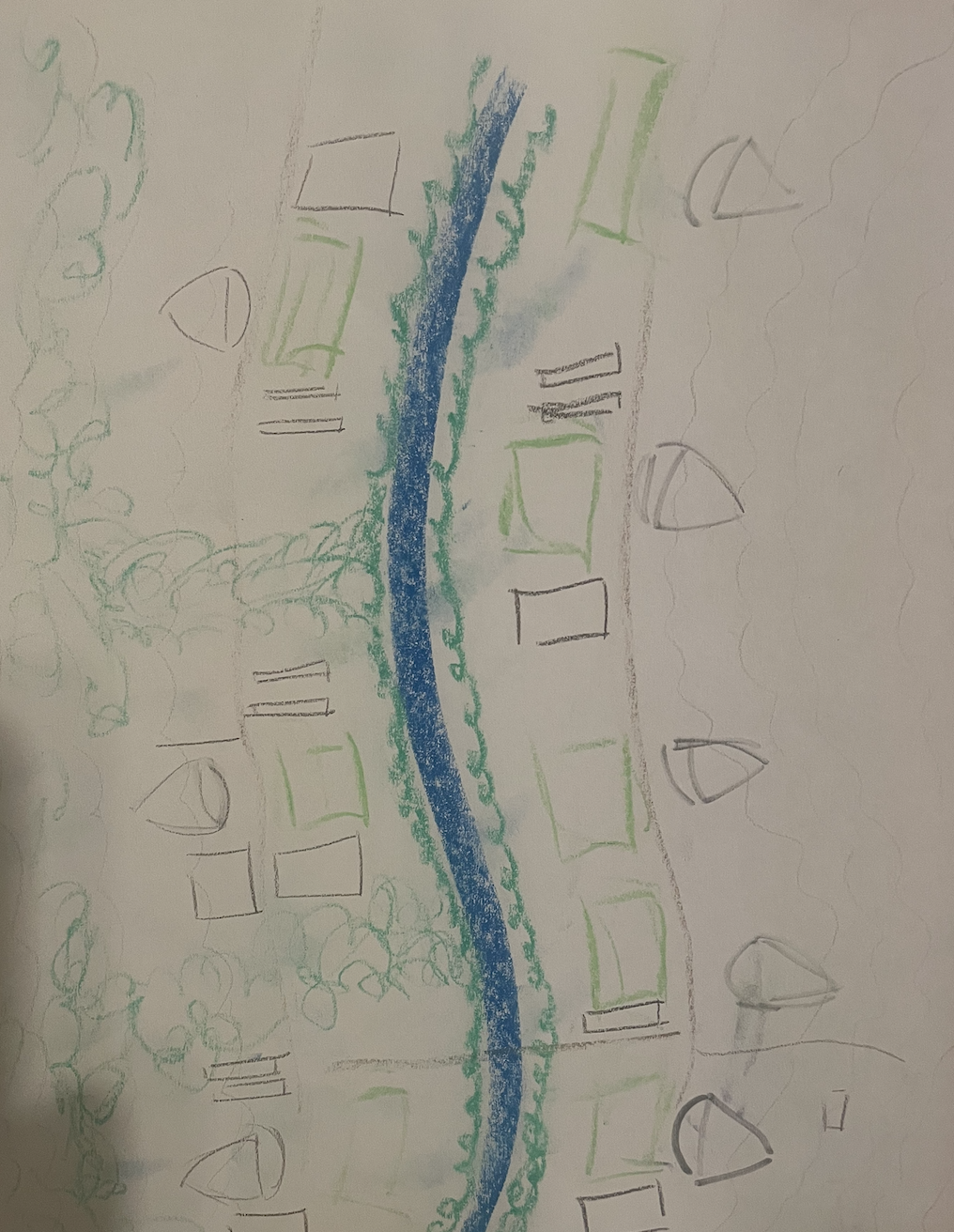
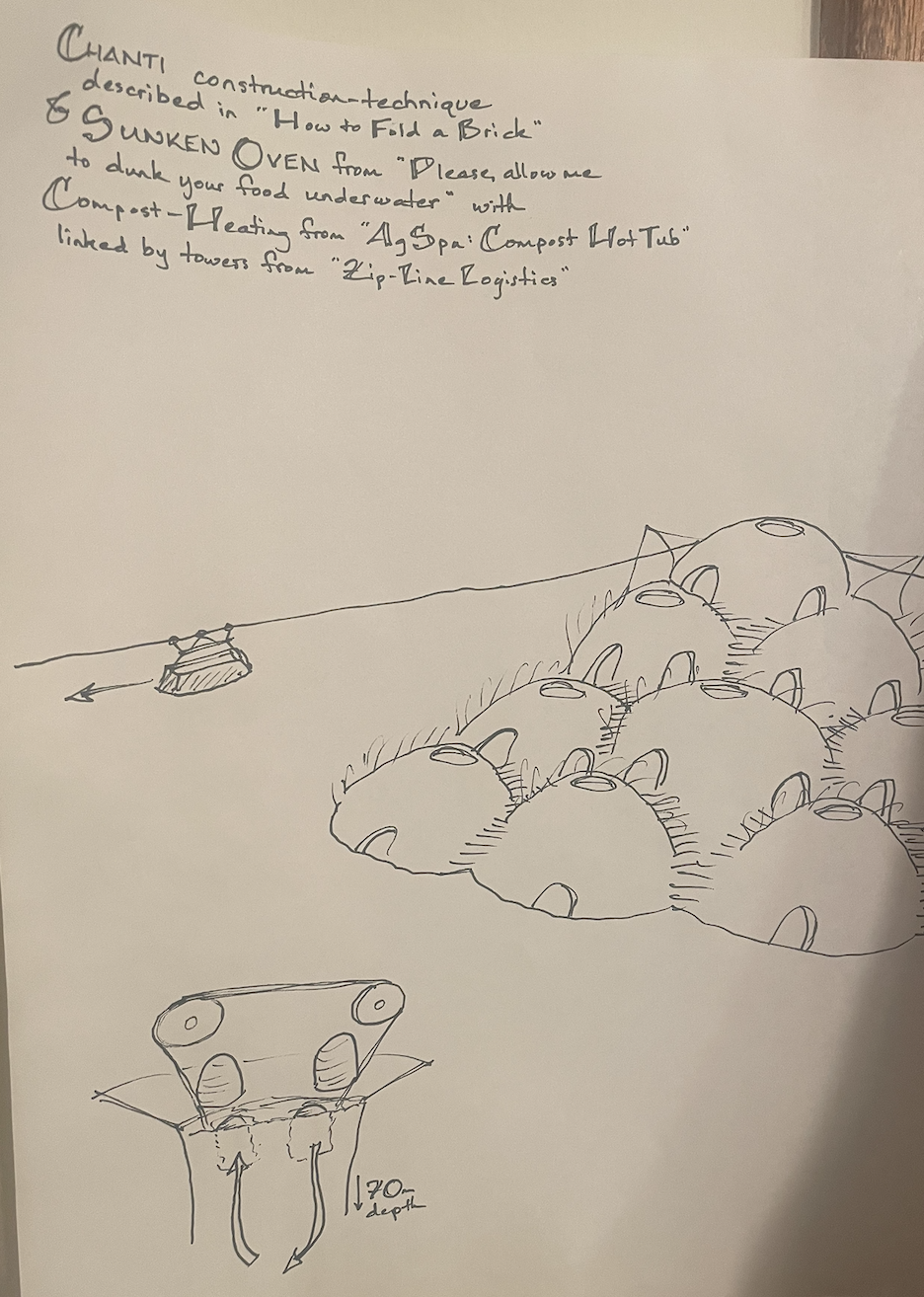
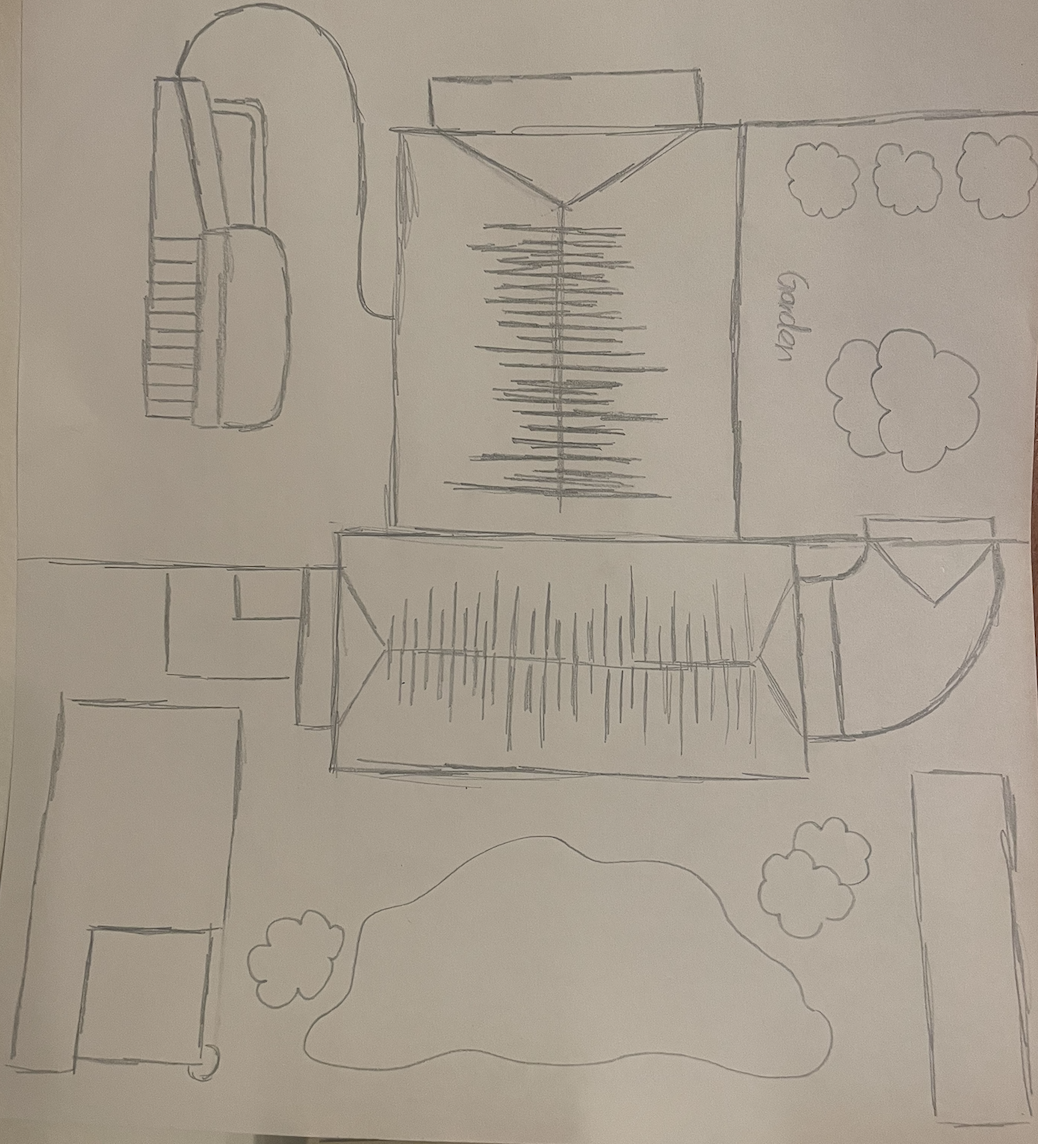
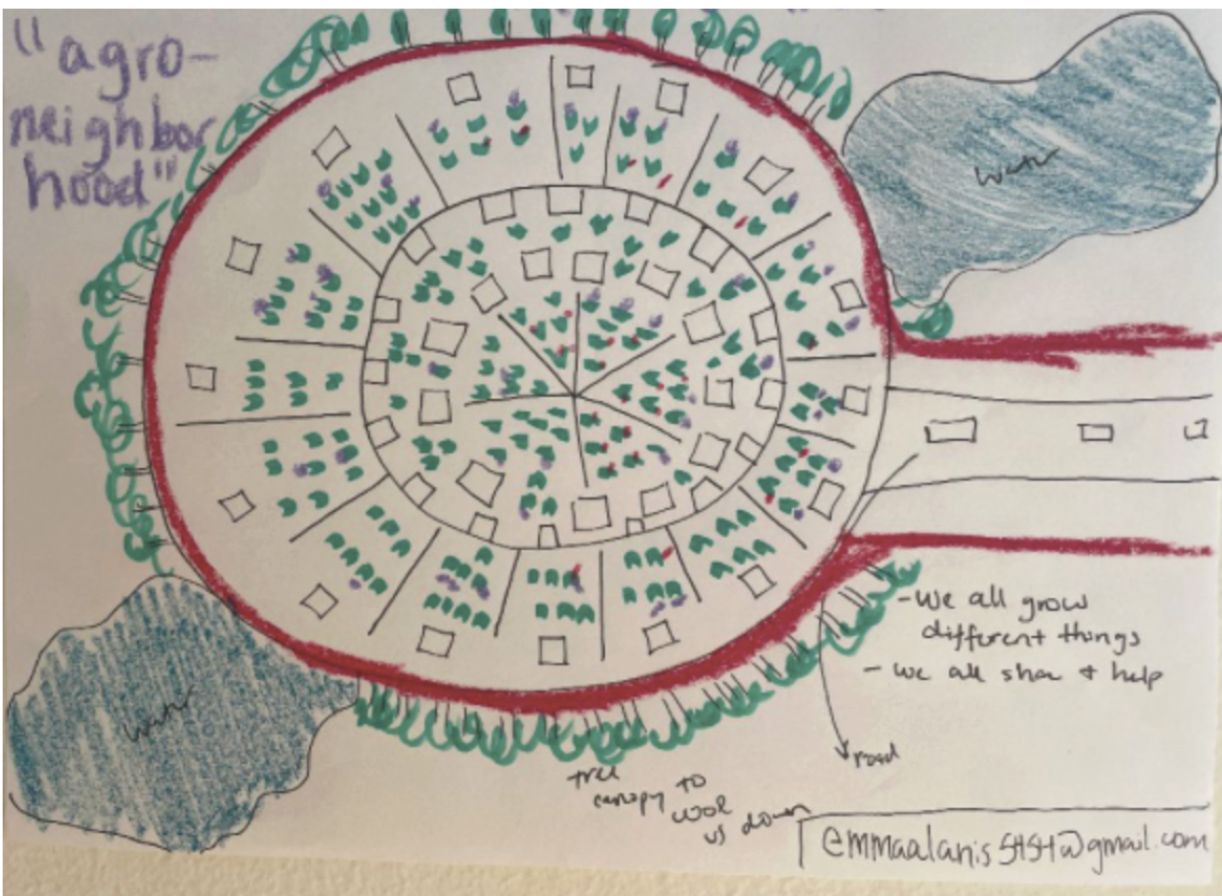
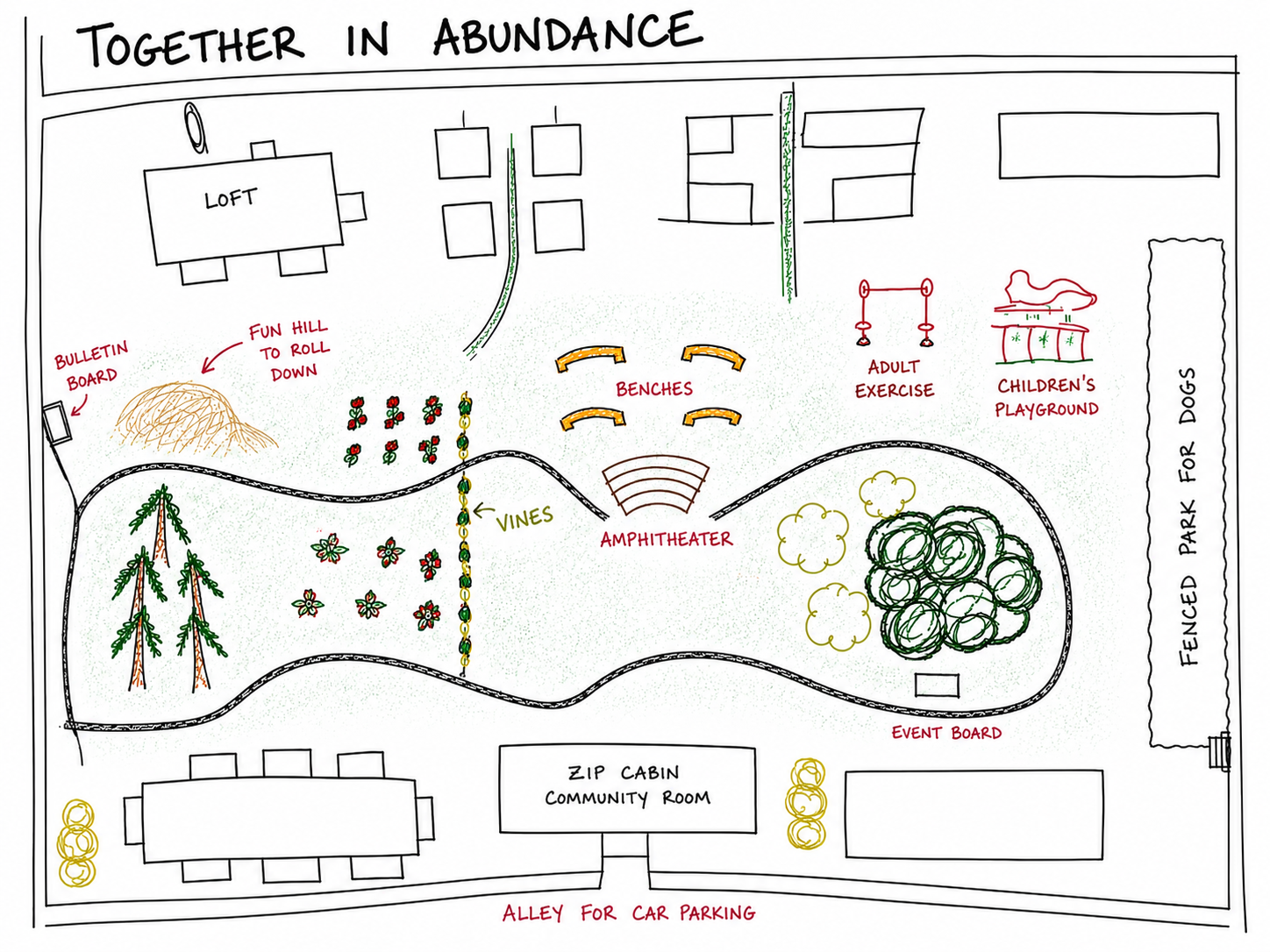
Sample Designs Below (by students)
by Laurie Sampler
by Laurie Sampler
by Anthony Repetto
by Benjamin C.