
Malaria Intervention Report from Ivory Coast
Korhogo Humanist Movement
by Aicha Dembele. September 10, 2026
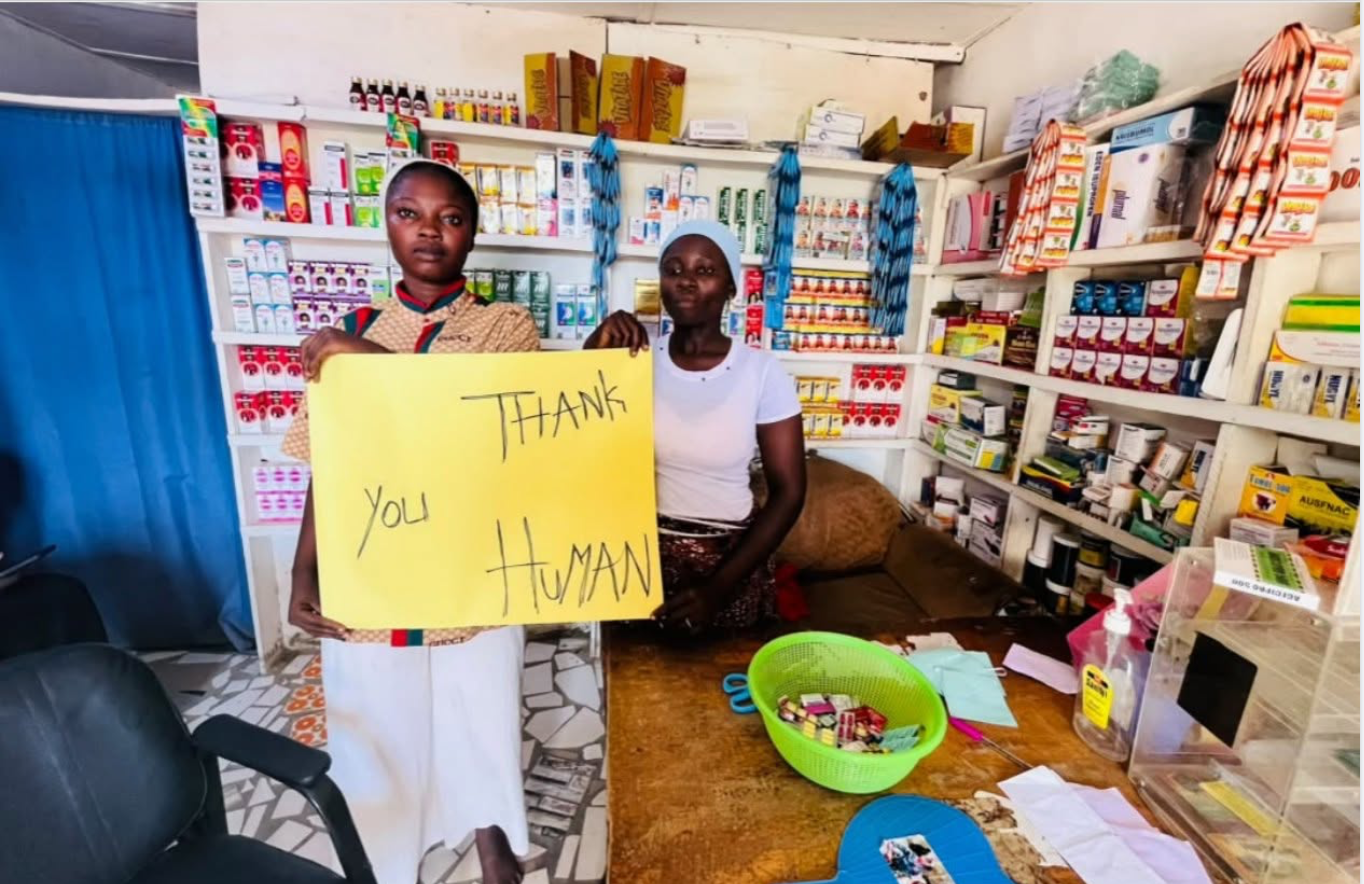
The Community Humanist Clinic and Malaria Intervention Initiative was carried out by the Korhogo Humanist Movement to respond to two important problems in the community: limited access to affordable basic healthcare and the high number of malaria cases affecting vulnerable families. The project was designed to provide an immediate malaria response while also creating a small community-managed pharmacy where people could access essential medicines at affordable prices. The original project budget was $1,200 and covered the rental of the clinic/pharmacy space, mosquito nets, malaria medicines and tests, general medicines, insecticide, sprayers, medical supplies and health education materials.
During the implementation period, the project was able to reach around 180 people directly through malaria intervention, basic health services and community awareness activities. About 55 vulnerable households received insecticide-treated mosquito nets, which means that roughly 90% of the original target of 60 nets was reached. Priority was given to households with children, elderly people and families living in areas where mosquitoes were particularly common. The distribution of the nets was also used as an opportunity to explain how to sleep under the nets every night, keep the surroundings clean and reduce stagnant water where mosquitoes can breed.
The malaria testing and treatment part of the project also produced useful results. Around 135 people were screened using malaria rapid diagnostic tests, close to the original target of 150 tests. Of those tested, approximately 58 people tested positive for malaria and were provided with antimalarial treatment or referred for further care where necessary. About 90 antimalarial treatment courses were distributed during the intervention period. This was slightly below the initial target of 100 courses, mainly because the number of people requiring treatment was lower than expected after the prevention activities started. This was actually a positive sign because it meant that not all the medicines had to be used immediately and some stock could be kept for continued community support.
The project also helped improve access to basic medicines. Around 80 households or individual community members received subsidized basic medicines such as pain relievers, fever medicines and other essential treatments. The small pharmacy arrangement made it easier for people to obtain medicines without having to travel far or pay higher prices at private facilities. The project also introduced a simple approach of using part of the money received from subsidized medicine sales to support future restocking, in line with the original plan for the pharmacy to gradually become a more sustainable community resource.
Health education was another important part of the project. The team conducted several informal awareness sessions reaching approximately 200 community members, including people who visited the clinic as well as residents reached through household visits and small community gatherings. The discussions focused mainly on malaria prevention, recognizing early symptoms, seeking treatment quickly, proper use of mosquito nets, sanitation and the removal of mosquito breeding sites. The health posters purchased through the project were also placed in visible community locations to keep the prevention messages available after the main campaign had ended.
The insecticide intervention was carried out in selected areas where mosquito activity and breeding sites were considered a concern. With the available insecticide and two knapsack sprayers, the team was able to support targeted spraying activities and clean-up efforts around approximately 70 households and communal areas. The activity was combined with education on keeping drainage areas clear, removing containers that collect rainwater and improving general sanitation around homes. Although the project was too small to completely eliminate malaria from the area, the combination of household protection, testing, treatment and education helped reduce some of the immediate risks faced by the community.
One of the most noticeable impacts of the project was improved awareness about malaria. Before the intervention, some community members tended to wait until symptoms became severe before seeking help. Through the awareness sessions and conversations with the health team, more people were encouraged to seek testing when they experienced symptoms such as fever, chills and weakness. The project also helped people understand that malaria prevention is not only about taking medicine but also about preventing mosquito bites and keeping the environment free from breeding areas.
The project also strengthened cooperation within the Korhogo Humanist Movement. The team members worked together to organize the distribution of nets, support the pharmacy, conduct awareness activities and identify people who needed assistance. This practical teamwork helped demonstrate the project's humanist approach, particularly the idea that community members can work together to address everyday problems and improve living conditions. The proposal identified cooperation, responsibility, practical problem-solving and self-reliance as important principles behind the initiative, and these principles were reflected in the way the activities were implemented.
Overall, the project achieved a large part of its immediate objectives despite working with a very small budget.
Approximately 180 people benefited directly from services or materials, more than 130 people were tested for malaria, around 90 antimalarial treatment courses were provided, approximately 55 households received mosquito nets, and about 200 people were reached with malaria and sanitation information. The project did not completely solve the healthcare challenges in the community, but it provided a useful starting point and showed that even a modest community-led intervention can make a practical difference.
There were also some challenges. The project had limited funds, meaning that it was not possible to provide every service or medicine that community members requested. Some medicines and malaria supplies were used faster than expected, while others remained available for future use. The short implementation period also made it difficult to measure the long-term effect of the intervention on malaria infection rates. For this reason, the team believes that continued awareness activities, regular malaria testing, replenishment of essential medicines and additional mosquito-control activities will be important if the gains made during the project are to continue.
In conclusion, the Community Humanist Clinic and Malaria Intervention Initiative was successfully completed and provided meaningful support to families in Korhogo. The project combined immediate malaria prevention and treatment with a longer-term effort to improve access to affordable basic medicines. It reached hundreds of people through direct services and awareness activities and helped strengthen community participation in health and disease prevention. The experience has also shown the Korhogo Humanist Movement that a small community pharmacy and health initiative can be developed further if additional resources are available. The next priority will be to maintain the pharmacy, restock essential medicines, continue malaria education and gradually expand the health services available to the community.