
Kenya: Kale, Onions & Tomatoes at the Humanist Farm
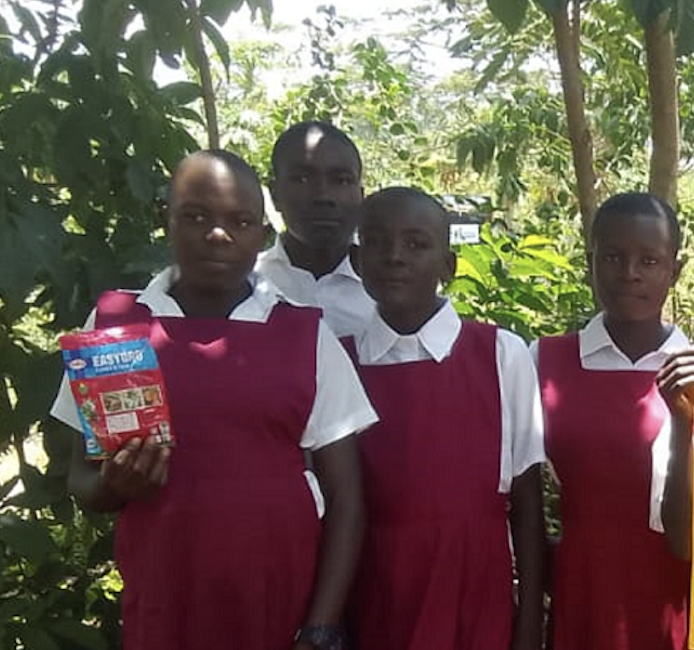
Kenya: Kale, Onions & Tomatoes at the Humanist Farm
Proposal to Cultivate Kale, Tomatoes, and Onions at the Humanist Farm
1. Background
The Humanist Farm was established with support from the Humanist Mutual Aid Network (HuMAN). The project was created to support vulnerable children in our community, particularly orphans whose education and basic needs depend on community initiatives.
During the initial phase of the farm, we successfully planted orchards as a long-term investment for the project. When establishing the orchards, we intentionally left wide spaces between the orchard rows to allow for additional agricultural activities. This strategy was designed so that short-term crops could be grown between the trees to generate income while the orchards mature.
To maximize the use of this available land, we now propose to plant kales, tomatoes, and onions within the spaces between the orchard rows. These crops grow quickly, require relatively small capital, and are highly demanded in local markets.
2. Purpose of the Project
The purpose of this project is to:
● Utilize unused spaces between orchard rows effectively.
● Increase farm productivity and sustainability.
● Generate income through the sale of vegetables.
● Support the education and welfare of orphaned children supported by our humanist programs.
Vegetables such as kales, tomatoes, and onions are staple foods in our region, and there is consistent demand from households, local markets, and small restaurants.
3. Project Description
The Humanist Farm covers one acre of land. The vegetables will be planted in the spaces between the orchard trees without interfering with the growth of the trees.
The crops will be managed using sustainable farming practices including proper land preparation, seedling nursery management, fertilization, pest control, and regular weeding.
The project will involve:
● Land preparation and ploughing
● Establishment of seedling nurseries
● Transplanting seedlings
● Application of manure and fertilizers
● Pest and disease control
● Regular weeding and farm maintenance
● Harvesting and marketing
4. Budget Breakdown (US $300)
Item Cost in US $
Land Ploughing and Preparation $ 50
Kales Seedlings $ 30
Tomato Seedlings $ 25
Onion Seedlings $ 25
Nursery Preparation and Treatment $ 30
Organic Manure $ 35
Fertilizers $ 25
Pest and Disease control $ 20
Weeding and Farm maintenance $ 20
Irrigation and watering costs $ 20
Harvesting and Traveling to Markets $ 20
Total $ 300
5. Expected Outcomes
Through the planting of kales, tomatoes, and onions on the one-acre farm, we expect:
● Improved utilization of the land between orchard rows
● Increased vegetable production for the local market
● Strengthened financial sustainability of the Humanist community programs
Vegetables such as kales, tomatoes, and onions are daily staple foods for local families, meaning they sell quickly and consistently in the market.
6. Projected Income
Based on current local market prices and expected harvest yields:
● Estimated sales from vegetables: US $1,000
● Total production expenses: US $300
Estimated net profit: US $700
This profit will be used to support orphaned children, particularly in paying school fees, buying school supplies, and assisting with basic needs.
In conclusion, The Humanist Farm has already demonstrated the value of community-supported agricultural projects. By utilizing the available space between orchard trees to plant kales, tomatoes, and onions, we can significantly increase farm productivity and generate reliable income.
With a modest investment of US $300, this project will produce food for the community and create an estimated US $700 in profit, which will directly support the education and wellbeing of vulnerable orphaned children.
We kindly request support for this initiative so that the farm can continue serving as a sustainable source of income and hope for the children under our care.