

Humanist Mutual Aid Network Market Report
Humanist Mutual Aid Network (HuMAN) funded the construction of a market center to support the initiatives of Humanist Orphans Kenya. They funded the construction of the building that would house the different business activities that were to happen in this market.
When the construction of the market was complete, HuMAN then bought different equipment and machines to be installed in the market. One was a poshomill (maize/ corn) grinding machine, and a Popsicle machine.
Popsicle Business
We make popsicle and sell it at wholesale prices to vendors who come to the market. The Ice vendors come with cooler boxes and we sell them the popsicles. They then take them to various markets, schools, and offices in the area.
We make about US $ 400 to US $ 450 per month.
The profit from the business is used to support the feeding program. For example, since 2019, we have continued with the feeding of 25 orphans. We buy the food materials. The meals we cook include rice and beans, Ugali and meat, Ugali and Fish soup, Ugali and Sardines. The vegetable we serve include traditional vegetables, kales, and cabbage.
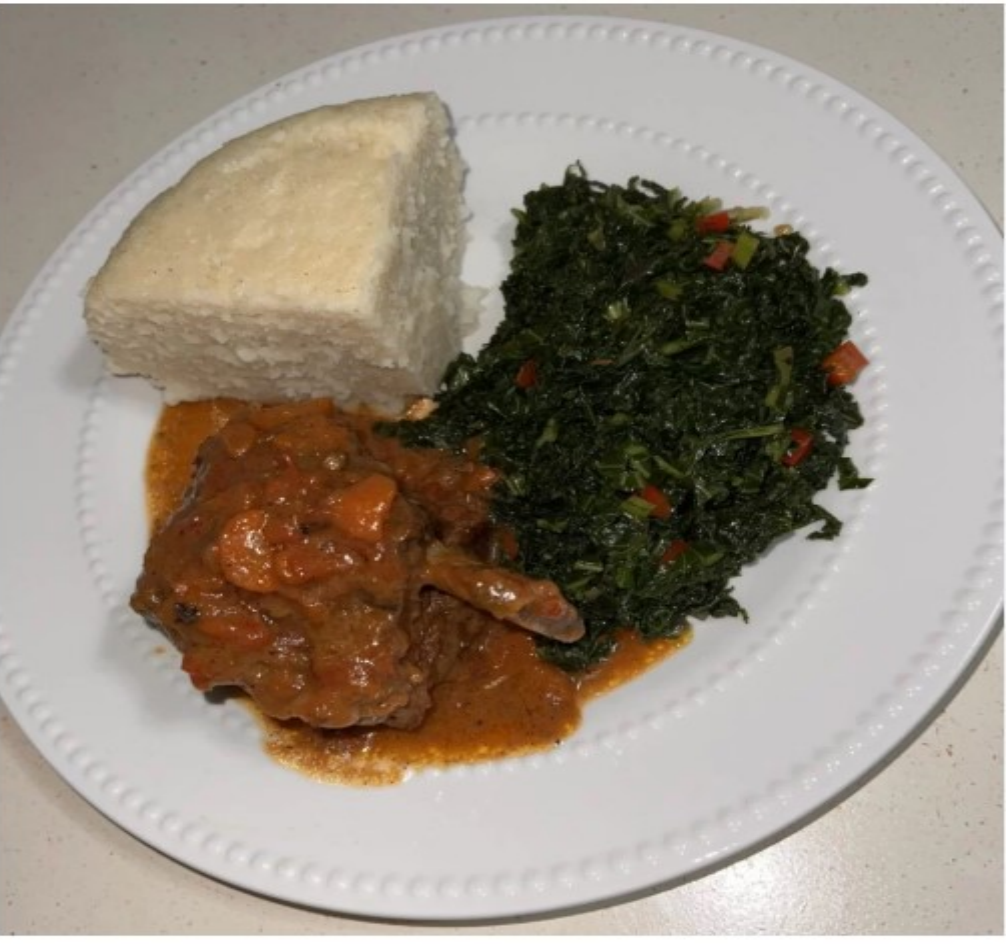
Picture: Ugali serviced with Kales and meat stew
Poshomill (Corn Grinding) Business
The corn grinding business is a unique business in the area since the villagers eat Ugali as staple food. This gives as an advantage because it is the only poshomill in the village. The villagers come with maize and we offer grinding services. We have even signed contracts with different local schools to be supplying them with maize flour.
We make about US $ 500 per month with the business. The money has supported the feeding program by buying utensils, buying of food materials, and also help in paying school fees for the children, and additionally paying the laborers.
—————-
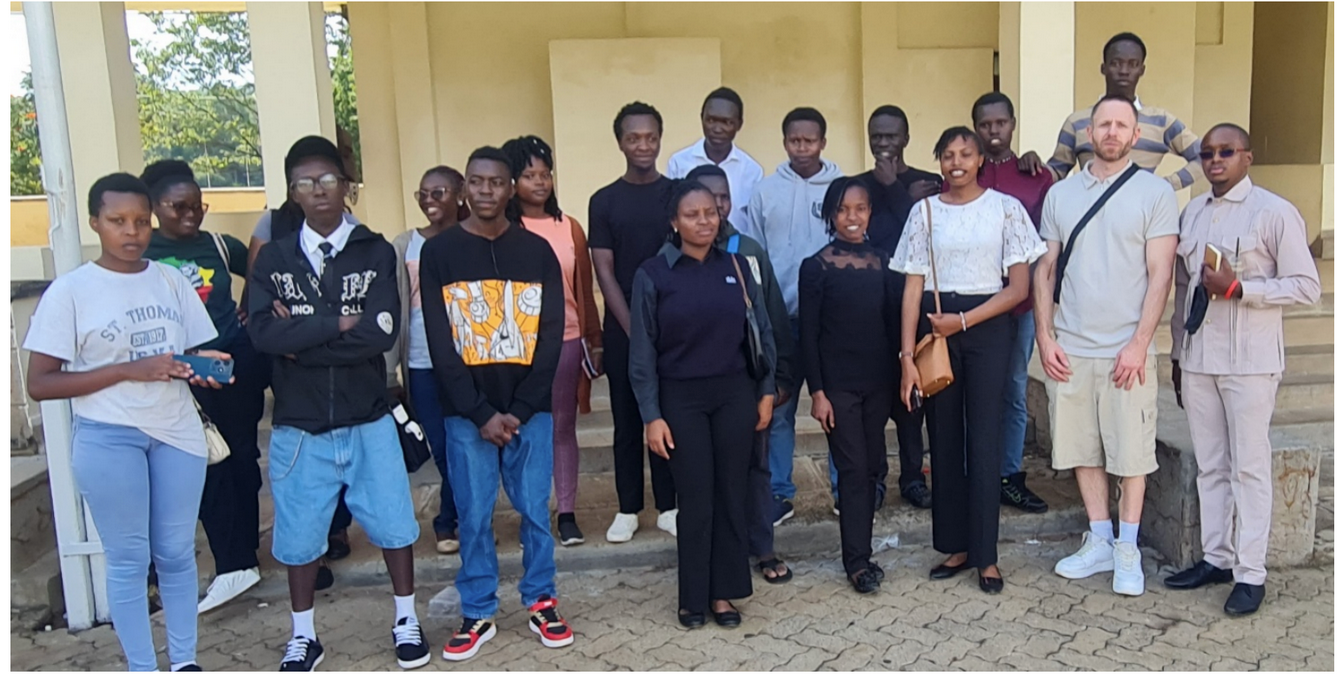
Report: Talk on Humanism to University Freethinkers Group, Nairobi – 12.04.2025
On Friday, 12th April 2025, D. Beaton visited the University of Nairobi to engage students on the topic of humanism and to explore the operations of the university’s Freethinkers Group.
The talk was attended by 17 students, most of whom are studying International Relations. The session provided an introduction to the core principles of secular humanism and the work of the Humanist Mutual Aid Network.
The leader of the student group, George Ongere, has received funding from the Humanist Mutual Aid Network to support the group’s activities. While most members of the group identify as Christian, they appear to hold nominal, moderate, or progressive views. The organiser has been notably successful in recruiting a significant number of students, and as such, the group shows great potential — as would similar groups established in other universities across Africa. University students are especially receptive to new ideas and may form part of the future intellectual class in their respective societies.
Thus far, the only reported expenditure has been the purchase of several dictaphones for podcast recording. It is unclear what other activities the group has undertaken or intends; it group appears to be in its formation stage and lacks clear direction.
Suggestions for the Freethinkers Group:
· Develop a clear and concise statement of intent, outlining the group's purpose and goals (e.g. “The Freethinkers Group is an inclusive community that promotes reason, science, and human rights.”)
· Create a calendar or schedule of events linked to the statement of intent — for example:
1. Monthly social events
2. Talks, discussions, or debates
3. Campus or community engagement initiatives
· Delegate roles within the group, establishing clear responsibilities and leadership structures.
· Allocate funds toward technology that cannot be easily replicated by mobile phones, and that directly supports the group’s aims. For instance, if a projector is to be purchased, it should have a clear rationale and purpose, such as for monthly documentary screenings or presentation sessions.
Suggestions for the Humanist Mutual Aid Network:
· Develop a starter pack outlining the procedures, expectations, and terms for establishing and running Freethinkers Groups in universities and similar settings.