
Nigeria: Communty Garden for Maikunkele Safe House
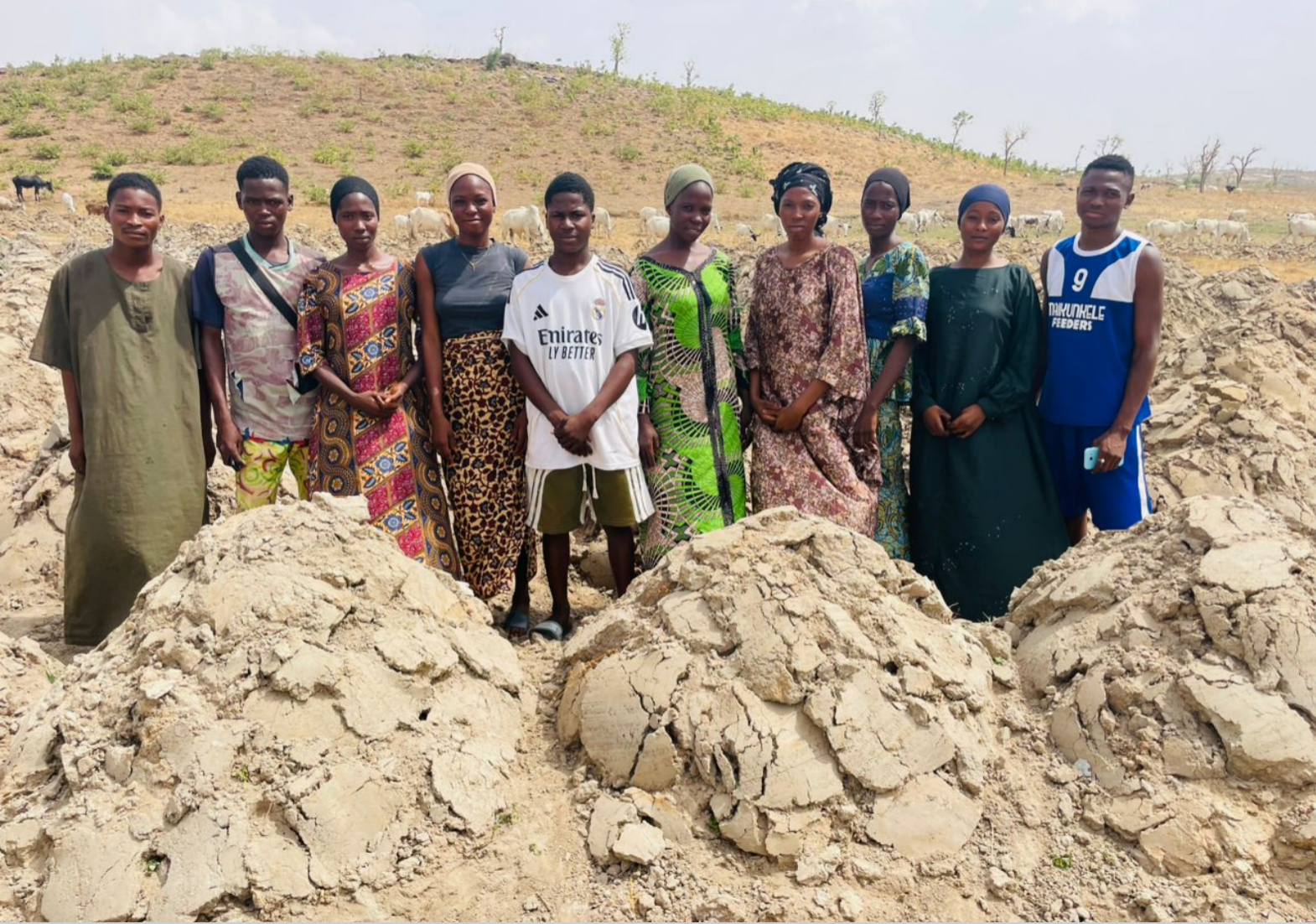
Nigeria: Communty Garden for Maikunkele Safe House
Maikunkele Safe House
to expand their Community Garden from just yams to also include maize, cassava, tomatoes, peppers, okra, and leafy vegetables.
Members:
Oluwarotimi Esther
Rahmat Gaffar
Maman Narayan Wushishi
Umuratu Sodiq
Balikis Wasiu
Sherifat Kabir
Danladi Lubaba
Email: saheeds731@gmail.com
Phone +2347045382667
When and why did your group become humanist, and what does humanism mean to your group?
I became a humanist when I was 20 years old. As a former ex-Muslim and an Islamic-trained preacher, I discovered that Islam has many elements of irrational ideas and thoughts that are based on supposed revelations that promote hatred, classism, war, demonization of freethought, and free inquiry. I then renounced the religion, its God Allah, and its teachings. I discovered humanism through books as an independent researcher. Humanism, more than any religious orientation or philosophy, has made my life more accessible and beautiful. It represents reason, compassion, and the pursuit of human well-being without reliance on supernatural beliefs.
Project Description
The Maikunkele Safe House Humanist Community Garden has been actively engaged in cultivating yams as a primary food source for residents. While this has contributed significantly to food security, reliance on a single crop limits both nutritional diversity and income-generating potential.
This project seeks to expand the garden’s agricultural activities beyond yam cultivation to include a variety of profitable and widely consumed staple crops in Nigeria such as maize, cassava, tomatoes, peppers, okra, and leafy vegetables. By diversifying production, the Safe House will improve dietary variety, increase resilience against crop failure, and create new streams of income.
The expansion will involve the procurement of essential farming materials such as improved seeds, fertilizers, irrigation tools, and basic equipment needed to support multi-crop farming. With these inputs, the garden will transition from a single-crop system into a more productive and sustainable mixed-cropping model.
Benefits to the Farm and Members
Increased Food Diversity: Access to a wider range of nutritious crops will improve the diet of Safe House residents.
Higher Income Potential: Multiple crops allow for continuous harvesting and increased market sales.
Reduced Risk: Crop diversification minimizes the impact of pests, diseases, or poor yield from a single crop.
Efficient Land Use: Mixed cropping maximizes available farmland and improves soil health.
Skill Development: Members will gain broader agricultural knowledge in cultivating different crops.
Pathway to Sustainability
By expanding into multiple staple and vegetable crops, the Maikunkele Safe House Community Garden will significantly increase its productivity and economic potential. Surplus produce will be sold in local markets, generating consistent income to cover farming inputs, maintenance, and other community needs. Over time, this diversified farming approach will reduce dependency on external assistance and establish a stable, self-sustaining agricultural system that supports both livelihoods and long-term food security.
Budget ($900)
(Materials only – concise list)
● Improved maize, cassava, and vegetable seeds – $200
● Organic and inorganic fertilizers – $180
● Irrigation materials (hoses, watering cans, storage drums) – $150
● Basic farming tools (hoes, cutlasses, rakes) – $120
● Fence and barbed wire – $100
● Seedlings (tomatoes, peppers, leafy vegetables) – $100
● Soil improvement materials (manure/compost) – $50
Total: $900
Expected Income from Project, with Timeline
With the introduction of multiple crops, the garden is expected to begin harvesting vegetables such as spinach, okra, and peppers within 4–6 weeks, generating an estimated income of $80–$120 from early sales. By the third month, maize and additional vegetable harvests could increase income to approximately $120–$180 per cycle. Within 6–9 months, cassava and other longer-term crops will mature, significantly boosting revenue. Over the course of one year, with continuous planting and multiple harvest cycles, the project is projected to generate between $450–$650, which will be reinvested into farm inputs and community development, ensuring long-term sustainability.
Benefits to your Community
● Improves access to diverse and nutritious food
● Increases income opportunities for Safe House members
● Strengthens local food security
● Promotes sustainable farming practices
● Builds agricultural skills within the community
● Reduces dependency on external food support
● Encourages economic self-reliance