
Niger: Organic Manure Shed and Bank Set-Up
Niger: Organic Manure Shed and Bank Set-Up
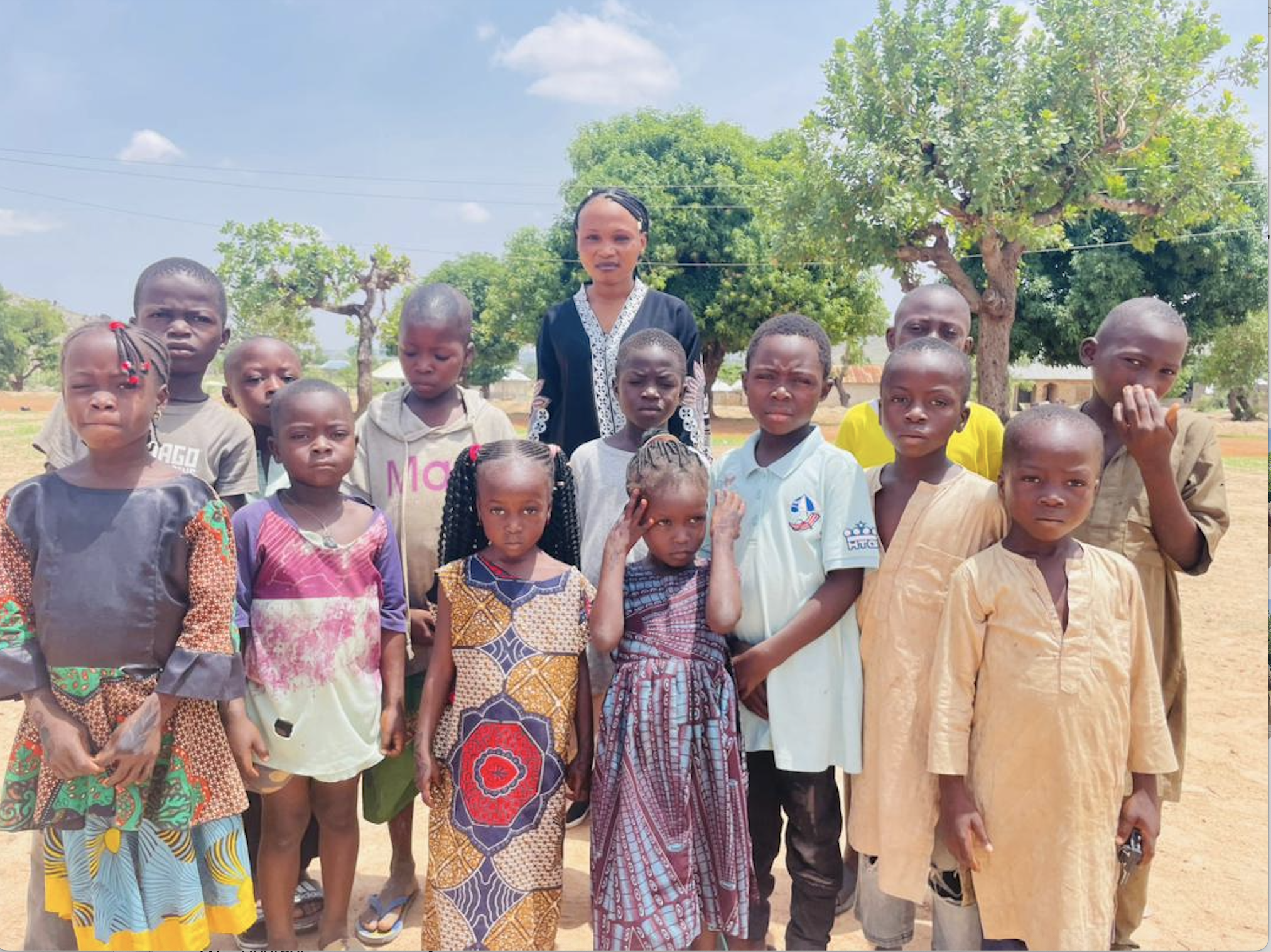
Organic Manure Shed & Bank For Zamanakoy orphanage
Maradi, Niger Republic
Email: hassanafatimata@gmail.com | Phone: +2275303284537
Members: Fatimata Hassana, Cherifa Ibrahim, Samira Abdou, Halimatou Salamatou, Chamsiya Boukari, Ryane Mamane, Amina Garba, Fati Issa, Mariama Djibo, Aicha Saley, Ramatou Souley
We are all Fulani and Ex-Sufi Muslims who previously believed in the supremacy of Islam and the Jihadist agenda of the Fulani tribe to colonize Africa. Eventually, we fell out of this racist and tribalistic bias when we became an ex-Muslims. We denounced Allah, the Arabian God, Islam, and the teachings of Muhammad.
We are now humanists. To our group, humanism means the realization of the unification of all humans across all nations and tribes as a single race and species that must look after one another. It is the realization that humans are the sole deciders and coordinators of the fate of our race. We must shun labels, superstitions, myths, and harmful cultural practices that seek to divide us and threaten our flourishing. Humanism, as an idea, should replace old religions and guide us into a new civilization that will make humanity great again.
Project Description
The proposed project involves the construction, tool procurement, and operational setup of an organic manure shed and processing bank designed to support our existing agricultural initiatives while operating as a vital community resource. Funded by HuMAN, this initiative is structured as an ecological and economic empowerment program managed by the Maradi Women Humanist Group to foster sustainable farming practices, self-reliance, and humanitarian values in the region. The facility will directly produce high-quality, nutrient-rich organic fertilizer to boost the crop yield of the yam farm previously established by the orphanage, significantly improving our internal food security. Operating simultaneously as a public commercial service hub, the manure bank will sell affordable, processed organic fertilizer to local smallholders and commercial farmers facing high chemical input costs. Trained members of our group will handle the collection of local organic waste, day-to-day processing, quality control, and sales management, creating a reliable, community-centered operational environment. All revenue generated from selling the surplus fertilizer will be collectively managed to cover maintenance, labor, transport, and basic welfare support for the orphans, driving long-term self-sustainability for our group.
Budget
The budget includes only the essential, direct startup material costs required to make the organic manure shed and bank functional.
Shed construction materials (timber, iron sheets, and nails): $320
Processing tools (shovels, rakes, wheelbarrows, and forks): $130
Raw materials starter pack (poultry/livestock dung and crop residue): $80
Packaging sacks and sealing kit: $70
TOTAL: $600
Timeline & Profit Projections
Implementation Timeline
The project will be fully operational within two weeks from the release of funds:
Week 1: Procurement of construction materials and agricultural tools, and setup of the physical processing shed structure.
Week 2: Sourcing initial organic raw materials, establishing composting piles, setting up packaging storage, and opening public sales.
Expected Financial Return
Based on local demand for affordable agricultural inputs, we project:
Monthly Profit: $150 – $300
Annual Profit: $1,800 – $3,600
Sustainability: All commercial profits are reinvested directly into the facility to ensure long-term self-sustainability, covering ongoing collection costs, shed maintenance, and educational and feeding resources for the orphans.
Community Benefits
This project introduces a critical agricultural resource to Maradi, resulting in three core benefits:
Bridging the Agricultural Divide: Equips our existing yam farm with high-yield organic inputs, protecting the food supply of vulnerable orphans and breaking dependencies on expensive chemical fertilizers.
Accessible Public Services: Provides the broader community with a reliable, affordable local hub for buying nutrient-rich organic fertilizer, boosting local small-business farming productivity and soil health.
Humanist Visibility: Demonstrates the practical power of humanist empathy by transforming an under-resourced space into a center for shared learning, rational empowerment, and community cooperation.