
Namibia: Shoes fro Recycled Tires Factory
Namibia: Shoes fro Recycled Tires Factory
Shoe Making shop from Recycled Tires
Oukumwe Humanist Collective
Katutura, Namibia
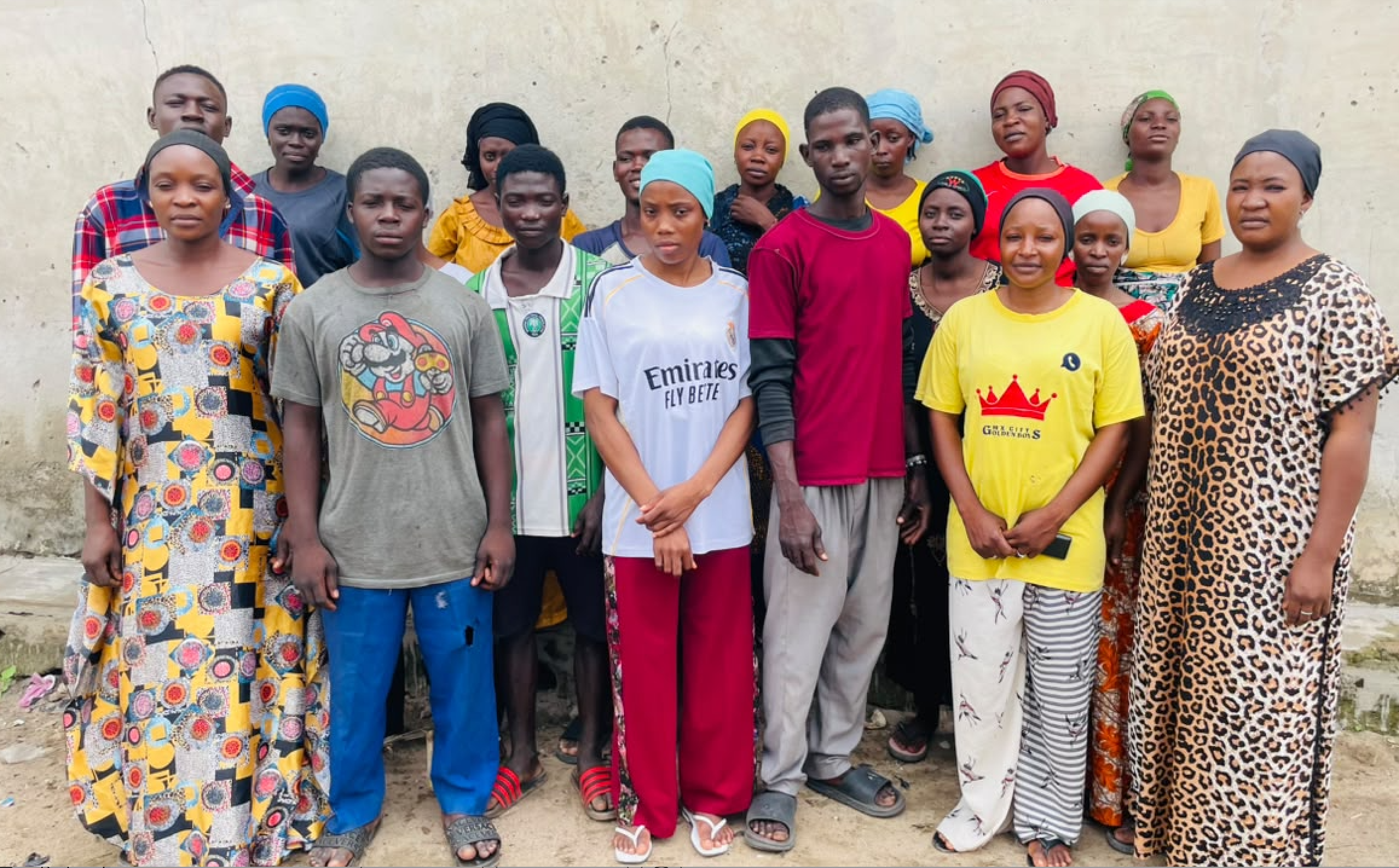
Members: Ndapandula Shikongo, Selma Johannes, Tjipee Tjahuha, Hilma Amunyela, Nangula Iipinge, Uaatjo Kauuova, Aina Petrus, Vezemba Mumbuu, Ndeshi Hafeni, Maria Nujoma, Kautja Kamberipa, Hafeni Shilongo, Petrus Ndalikokule, Tjinjo Kamatuka, Immanuel Shikongo, Vejama Uandara, Tangeni Amathila: Male, 32
Email: katuutirejustus@gmail.com
Phone: +264 81 555 8390
What does humanism mean to you?
Growing up here in Katutura, community always meant everything to us honestly, it's how we survived. But for a long time, that sense of togetherness was deeply tangled up in heavy superstitions and strict religious rules. If you didn't pray the right way, go to the right church, or if you questioned the old fears about spirits and curses, you were quickly pushed out into the cold.
For my friends and me, making the shift toward atheism and secular humanism felt like taking a deep breath for the first time. We finally started letting go of those old superstitions and the endless waiting for a god to come down and fix our struggles. Becoming humanists wasn’t about losing our local culture; it was actually about reclaiming the very best parts of it: the mutual care, the deep solidarity, the looking out for your neighbor just without all the supernatural strings attached. Today, instead of praying for divine intervention to put food on our tables or keep us safe, we just roll up our sleeves and rely on human agency. For our group, humanism isn't some abstract philosophy you read about in a book. It’s our daily reality and a lived promise that we are the ones responsible for each other, right here and right now.
Project Description
On behalf of the humanist community in Katutura, Namibia, I am submitting this proposal to the Humanist Mutual Aid Network (HuMAN) to request a $300 seed grant for the launch of a sustainable, recycled-tire footwear cooperative. In our impoverished township, freethinkers and humanists frequently face systemic marginalization and are often excluded from the traditional, faith-based economic support networks that dominate the region, making the daily struggle against poverty deeply isolating. To counter this, we are initiating a grassroots mutual aid project that transforms discarded automobile tires, an abundant local environmental hazard, into highly durable, affordable, and practical footwear. This initiative will serve a vital dual purpose: cleaning up our local environment while equipping our marginalized community members with valuable artisanal shoemaking skills that generate a reliable, independent income. The requested $300 grant will be utilized directly as essential start-up capital, specifically covering the one-time purchase of heavy-duty cutting tools, industrial adhesives, binding leather/canvas, and the logistical costs of sourcing our first major batch of upcycled tires. By establishing this cooperative workspace, we are not just launching a small business; we are building a safe, self-sustaining secular hub where our members can collaborate, pool resources, achieve financial autonomy, and demonstrate the practical, life-changing power of humanist solidarity in action.
Budget
Heavy-duty cutting tools and replacement blades: $60
Canvas, webbing, and leather scraps (for shoe uppers): $75
Basic shoemaking hand tools (hammers, leather punches, pliers): $55
Industrial shoe adhesives and contact cement: $40
Hardware and fasteners (rivets, eyelets, heavy-duty thread): $35
Abrasives and finishing supplies (heavy-grit sandpaper, rasps): $35
Total: $300
Expected Income from Project
The Katutura Recycled-Tire Footwear Cooperative expects to achieve immediate, steady revenue by filling a critical local need for affordable, long-lasting footwear. Handcrafted tire sandals are highly valued in the community for their extreme durability against the rocky, unpaved terrain of the township. In the initial production phase, the cooperative aims to manufacture and sell 40 pairs of shoes per month at a highly accessible local price point of approximately $10 USD (N$180) per pair. This target will generate $400 USD in gross monthly revenue. After deducting roughly $150 USD for recurring raw materials like adhesives, thread, and replacement blades, the shop will clear an estimated $250 USD in net profit each month. This profit will be pooled directly to provide reliable, independent stipends to our humanist artisans and steadily fund the cooperative's expansion.
Timeline of the Project
The project is structured to achieve full financial autonomy within a strict three-month timeline upon receipt of the $300 seed grant. Month 1 will focus entirely on establishment and capacity building: the first two weeks will be dedicated to purchasing the specialized hand tools, securing a safe secular workspace, and gathering local tire stock, followed by two weeks of intensive, hands-on artisanal training for our cooperative members. Month 2 marks the official launch of manufacturing and localized marketing, with a goal of producing and selling the first target batch of 40 pairs within Katutura. By Month 3, the project will transition into a fully self-sustaining business model, utilizing the revenue generated from Month 2 sales to completely cover all ongoing material costs, break dependency on outside funding, and establish a permanent, independent income stream for the community.
Benefits to your Community
The Katutura Recycled-Tire Footwear Cooperative will deliver profound, multi-layered benefits to our township by simultaneously tackling economic exclusion, environmental degradation, and social isolation. Economically, the initiative provides a self-sustaining income stream and valuable artisanal skills to marginalized humanists, breaking the cycle of extreme poverty without relying on the region's exclusionary, faith-based charity networks. Environmentally, the project directly addresses local pollution by removing hazardous, discarded automobile tires from our streets and upcycling them into highly durable, practical footwear for the broader public. Socially, the cooperative establishes a safe, secular hub where freethinkers can finally gather, collaborate, and support one another free from judgment, demonstrating firsthand that humanist values and mutual aid can drive tangible, life-changing progress for the most vulnerable members o