
Mozambique: Recycled Tires into Sandals Workshop
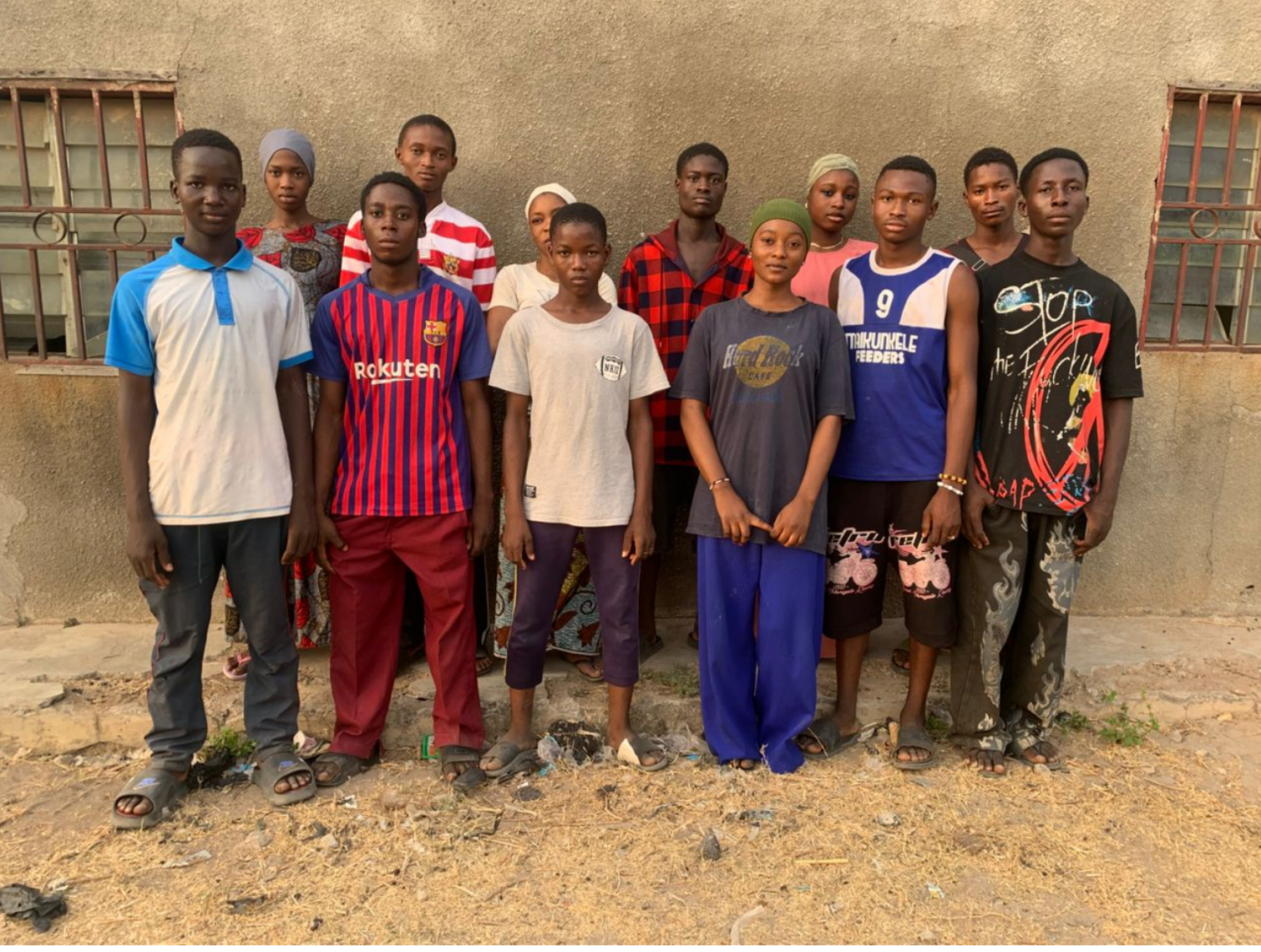
Mozambique: Recycled Tires into Sandals Workshop
Tire Recycle Shoe-Making Workshop
NextGen Humanists Mozambique
Location: Monapo, Nampula Province, Mozambique
Members: Maria Joaquim, Ana Mabunda, Lucinda Machel, Teresa Nhantumbo, João Mateus, Carlos Mondlane, Paulo Ernesto, Manuel Chissano, Alberto Macuácua
Email: cossbongani@gmail.com
Phone: +258 84 941 2622
What does humanism mean to you?
Humanism means placing human dignity, reason, and compassion at the center of life while taking responsibility for our choices and actions. Growing up in a culturally rich environment shaped by strong traditions, community values, and religious influence, we learned early the importance of solidarity, respect, and cooperation. Through humanism, we have found a way to preserve these positive cultural values while embracing critical thinking, intellectual honesty, and personal freedom.
For us, humanism means building a better future through practical action rather than relying on supernatural explanations. Instead of prayer, we believe in effort and collaboration; instead of divine reward, we believe in human progress and responsibility. In Mozambique, where poverty and limited opportunities affect many young people, humanism motivates us to focus on education, social development, and economic self-reliance.
Our goal as NextGen Humanists Mozambique is to demonstrate that ethical living, cooperation, and community development can be achieved through human-centered values. By supporting projects that create opportunities, promote skills, and empower people, we aim to strengthen our community while promoting reason, compassion, and shared human progress.
Project Description
NextGen Humanists Mozambique plans to establish a small tire-recycling shoe-making workshop that will produce durable sandals and shoes using recycled vehicle tires and locally available materials. In many communities across Mozambique, used tires are widely available and often discarded as waste. By transforming these tires into practical footwear, our group will create a sustainable small enterprise that generates income while promoting environmental responsibility.The workshop will be organized and operated by members of the group. Members will collect discarded tires from local repair shops and transport areas, clean and cut them into durable soles, and assemble them with straps and stitching to create affordable sandals. This type of footwear is strong, long-lasting, and suitable for everyday use in rural and urban environments.
The requested funding will be used to purchase basic equipment and materials needed to start the workshop, including cutting tools, knives, molds, hammers, adhesives, stitching materials, and protective equipment. The funds will also support the purchase of straps and other materials used in assembling the sandals. Members will provide the labor, workspace organization, and management of the project. The finished shoes will be sold locally at affordable prices to community members, market vendors, and nearby villages. Because recycled tire sandals are durable and inexpensive, they are in consistent demand among low-income communities. Members will also explore opportunities to supply local markets and small retailers.
Budget
Shoe-Making Tools and Equipment – $120
(cutting knives, hammer, awls, punches, pliers, measuring tools)
Adhesives, Stitching Materials, and Assembly Supplies – $80
(glue, thread, needles, straps, fasteners)
Protective Equipment and Work Materials – $50
(gloves, sharpening tools, small workbench materials)
Shop rental for a year – $50
Total Project Cost: $300
Expected Income from the Project
Sale of recycled tire sandals:
Estimated 3–5 pairs per day at approximately $3–4 each
Approximate monthly income:
$150–300 depending on production and market demand
Timeline of Project Completion After Funding
Week 1 to Week 5
Receipt of funds, group planning meeting, purchase of tools and materials.
Preparation of workspace, collection of used tires, and training members on cutting and assembly techniques.
Production of the first batch of recycled tire sandals.
Launch of sales within the community and local markets.
Regular production, sales, and reinvestment into sustainability of the group.
Benefits to your Community
Reduction of environmental waste through tire recycling
Creation of affordable and durable footwear for community members
Development of practical vocational skills among youth
Income-generating opportunities for group members
Strengthening of local entrepreneurship and self-reliance
Promotion of sustainable and environmentally responsible practices
Improved economic stability for NextGen Humanists Mozambique
Encouragement of cooperation and shared community development