
Burkina Faso: Community Farm and Solar Water Pump
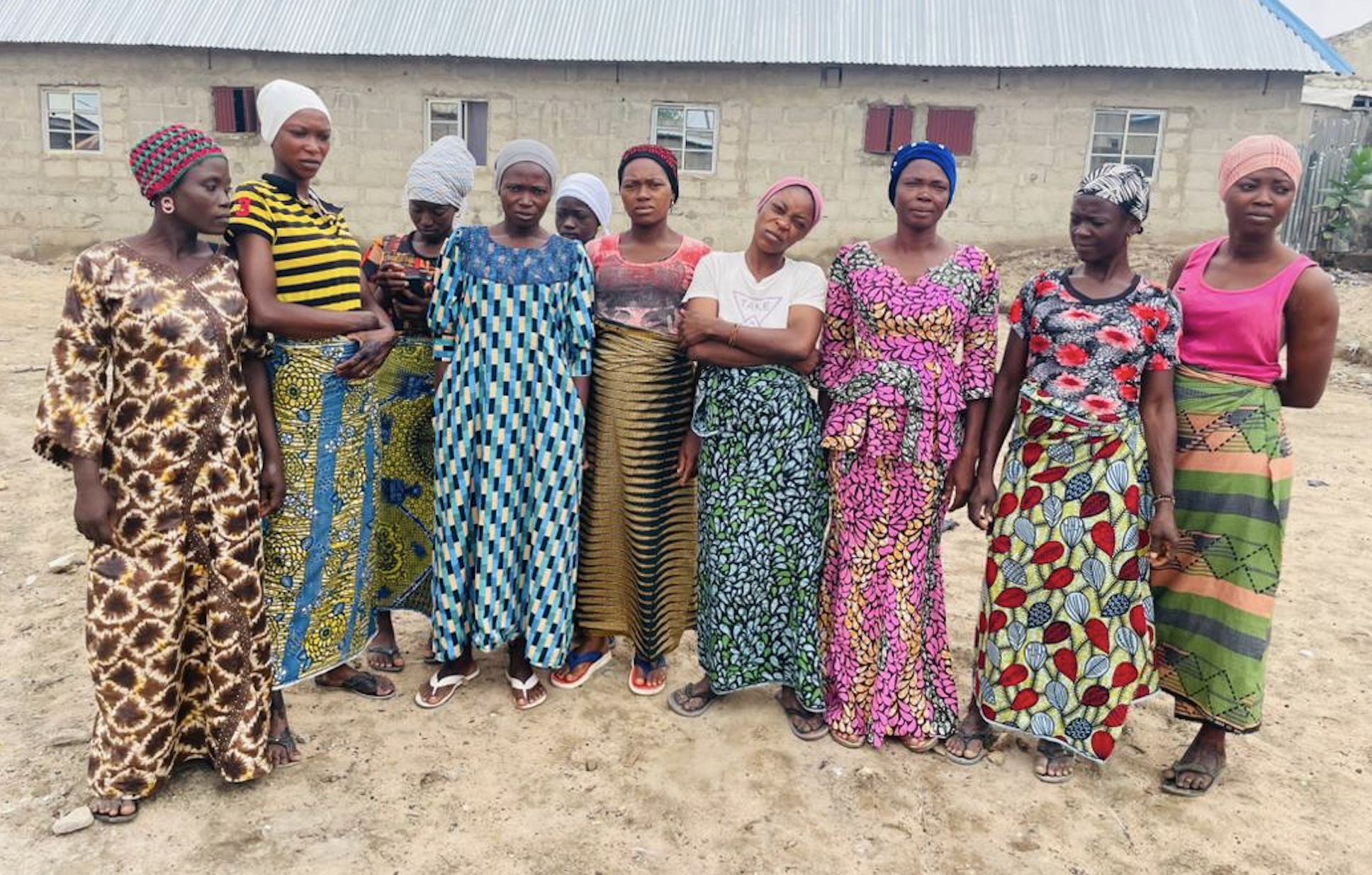
Burkina Faso: Community Farm and Solar Water Pump
Community Farm and Solar Irrigation
Burkina Faso Humanist Women
Bobo-Dioulasso, Burkina Faso
Members
Zuri Bilal – Female – 34 years – Coordinator Phone: +226 70 41 82 11
Amina Sissoko – Female – 29 years Phone: +226 70 58 14 26
Samira Traore – Female – 32 years Phone: +226 65 73 91 44
Nadia Ouedraogo – Female – 27 years Phone: +226 72 64 35 98
Laila Sawadogo – Female – 36 years Phone: +226 75 81 66 20
Yasmina Kone – Female – 24 years Phone: +226 60 44 93 71
Farida Diallo – Female – 41 years Phone: +226 74 56 29 63
Safiya Abdullahi – Female – 30 years Phone: +226 76 14 82 55
Khadija Bello – Female – 28 years Phone: +226 73 60 94 11
Mariam Suleiman – Female – 35 years Phone: +226 71 83 47 29
Zainab Idris – Female – 26 years Phone: +226 65 42 18 73
Rahma Aliyu – Female – 39 years Phone: +226 78 51 30 62
Hafsa Usman – Female – 23 years Phone: +226 70 66 97 44
Nura Lawal – Female – 33 years Phone: +226 72 90 15 38
What does humanism mean to you?
My name is Zuri Bilal, and I coordinate the Burkina Faso Humanist Women Collective. For us, humanism means valuing human life, dignity, and freedom of thought above religious dogma or tradition. As women who no longer follow Islam, we understand the importance of independent thinking, compassion, and solidarity. Humanism teaches us that morality comes from empathy, reason, and our shared humanity, not from fear of divine punishment or hope for heavenly reward.
Living openly as non-religious women in a very religious society can be difficult. Many people assume that leaving religion means abandoning morality or culture. We reject this idea. Our values are based on honesty, mutual respect, education, and helping others live better lives. Humanism encourages us to take responsibility for improving our community through practical action, cooperation, and ethical living.
For us, humanism also means empowerment, especially for women. Many women in our society are economically dependent and socially restricted by religious expectations. Through humanist principles, we support critical thinking, equality, and self-reliance. By building sustainable livelihood projects, we show that women who think freely can also contribute positively to society and help create a more just and compassionate future.
Project Description
The Burkina Faso Humanist Women Collective is seeking help to fund a project that will use $600 to establish a community farm for staple crops irrigated with a solar-powered pump. Burkina Faso relies heavily on agriculture, and locally produced staple crops are always in high demand in regional markets. This project will allow the women to take advantage of that demand while building an independent and sustainable source of income. The project will provide the basic materials, organic fertilizers, high-yield seeds, and a solar irrigation system needed to begin farming staple crops efficiently year-round. Members of the collective already possess fundamental agricultural knowledge, and they will work together to manage crop cultivation, solar pump maintenance, and sustainable water management. The farm will operate as a cooperative workspace where each member contributes labor while sharing the profits from harvests. The community farm will serve not only as an income-generating activity but also as a safe and supportive environment for women who identify with humanist values in a religious society. By working together, members will build practical skills, strengthen solidarity, and gain financial independence. The harvested crops will be sold in local markets, small shops, and through community contacts. In terms of sustainability, the solar-powered irrigation system eliminates ongoing fuel costs, ensuring low operational overhead. Once production begins, income from the sale of the crops will be reinvested into purchasing additional seeds and expanding the cultivated acreage. Over time, the farm will grow into a reliable source of income that supports the collective’s humanist educational and community outreach activities.
Budget
Submersible solar water pump system with solar panel – $240 Example supplier: https://www.alibaba.com/showroom/solar-water-pump-kit.html
High-yield staple crop seeds (maize, sorghum, and cowpeas) – $90 Example supplier: https://www.alibaba.com/showroom/agricultural-seeds.html
Drip irrigation piping, valves, and water storage tank – $110 Example supplier: https://www.alibaba.com/showroom/drip-irrigation-system.html
Organic fertilizer, compost, and eco-friendly pest control – $80 Example supplier: https://www.alibaba.com/showroom/organic-fertilizer.html
Hand tools (hoes, shovels, rakes, and wheelbarrows) – $80 Example supplier: https://www.amazon.com/agricultural-hand-tools/s
Total: $600
Expected Income
The project is expected to be fully set up within 3–4 weeks after receiving the funds. This period will allow the group to clear the land, install the solar pump system, and plant the initial staple crops. Once production begins, the collective expects to harvest and sell crops continuously due to year-round solar irrigation. Based on conservative local market estimates, the group expects to generate approximately $180–$220 per month, resulting in $2160–$2640 annually in revenue. Part of the income will be reinvested into purchasing additional seeds and farming supplies, while the remaining portion will support the members and the collective’s humanist activities.
Benefits to Community
Provides women with practical vocational skills in sustainable solar agriculture.
Creates a small but sustainable source of food security and income for women in the community.
Encourages cooperation, solidarity, and empowerment among humanist women.
Supports local food production and small-scale eco-friendly entrepreneurship.
Demonstrates that women can achieve independence and contribute positively to society