
$300 Sanitary Pad Distribution Plan for Marginalized Communities
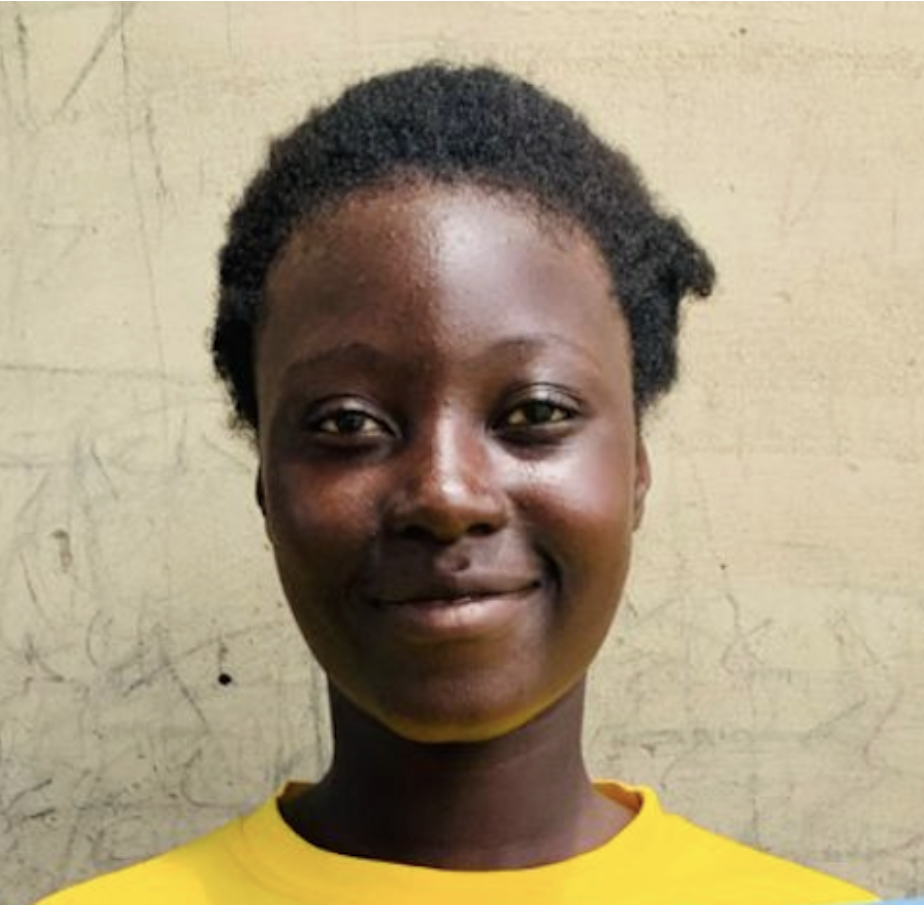
Ndeye Soulrymane
My name is Ndeye, I am from Senegal. I believe that affordable sanitary pads are absolutely essential for the dignity, health, education, and equality of girls and women. When sanitary pads are affordable, girls can manage their monthly cycles safely, with confidence, without fear of stain or odor or discomfort. They don’t have to miss school, retreat from social life, or suffer silently. Affordable pads help prevent infections that come from using unsanitary alternatives cloths that are reused without proper cleaning, rags, or other materials not designed for menstrual flow. They also allow girls to plan, to participate, to feel clean and empowered.
In my region, many girls indeed face serious obstacles because sanitary products are too expensive or simply unavailable. I have heard of girls missing school for several days each month because they do not have pads; some feel too ashamed or afraid of leakage or teasing by other students. In rural areas and some urban peripheries, families may prioritize buying food or other essentials over menstrual supplies. Sometimes girls use old cloths, sometimes paper or other improvised materials. These makeshift materials may not be clean, may be damp, reused without proper drying, leading to discomfort and, in some cases, infections. There is stigma and lack of information about how to clean reusable materials, or dispose of used pads properly, and because of this, some girls suffer from irritation, rash, even more serious infections if hygiene is poor.
If I were chosen to distribute sanitary pads, I would plan carefully to maximize impact. First, I would partner with local schools, women’s associations, health clinics, and community leaders so that distribution reaches those most in need, especially in rural villages or peri-urban districts where poverty is higher. I would bring, say, 2,00 disposable sanitary pads plus some reusable cloth pads for sustainability, targeting perhaps 200 girls (assuming 10 pads per girl, reusable ones that last longer). I might also bring educational materials: flyers or posters in Wolof and French, perhaps workshops on how to use pads, how to wash reusable pads safely, how to dispose of used pads. Supplies I would need: the pads themselves; reusable cloth pads; packaging; a tent or space for the distribution event; hygiene soaps; clean water or water containers; trash bags or bins for disposal; educational flyers; pens/markers; possibly transportation costs (truck or van to bring materials); maybe help for volunteers.
As for budget, I would estimate roughly $300 total, divided like this:
• $150 – disposable pads
• $60 – reusable cloth pads
• $40 – educational materials & flyers
• $30 – transportation
• $20 – hygiene supplies (soap, water)
In terms of speaking and leadership: yes, I am comfortable speaking in public. I might be nervous at first, but I enjoy organizing people, planning things, and being someone who others can rely on. If I have the chance to lead such a project, explain menstrual hygiene in front of a group, answer questions, I would do so with pride, because it matters to me that girls around me have the same rights and chances as others.
—
$300 Popsicle Business - Easy Steps, Hard Steps, and Community Benefit
by Ndeye Soulrymane
In my view, carrying this project distributing sanitary pads to marginalized girls has both parts that will be easy, and parts that will be very difficult. Identifying which are which helps me plan.
Easiest Steps
One of the easier steps would be partnering with local suppliers. Once I find wholesalers or local factories that produce pads (especially reusable ones), I believe it will be relatively straightforward to negotiate bulk prices or get discounts. Many small businesses and cooperatives want good sales and reliable orders, so they may be willing to work with us. Another easier thing is organizing educational sessions: once I have materials (flyers, posters) and volunteers (teachers, health workers), speaking about menstrual hygiene in schools or community centers is feasible, especially if people already know and trust me. Also, the planning & partnering week (finding local leaders, establishing where pads are needed) is something I feel confident about, because I know many people and can talk with them to figure out needs.
Most Difficult Steps
The hardest steps will likely include distribution logistics (getting pads to remote or rural schools or villages) and follow-up. Transportation in rural areas can be poor; roads may be bad, fuel or transport hire may be expensive; sometimes villages are far, or over rivers or difficult terrain. Ensuring supplies reach the places without damage or cost issues will be hard. Also, follow-up after distribution, revisiting communities a month later, getting honest feedback, making sure reusable pads are being used safely, and that disposal or washing is hygienic can be challenging. Another difficult aspect is cultural stigma: in some families or communities, menstruation is still shameful to speak about. Asking boys, elders, or even some teachers to accept discussions about pads, disposal, health, may require sensitive work. Finally, sustainability of the project is hard: making sure what we do is not just a one-time donation but leads to long-term ability for girls to access pads, maybe local manufacture of reusable pads, or continuous funding.
Who in my community would want this, and how is it useful?
• Who wants this:
◦ Girls in rural schools and peri-urban slum-areas who cannot afford sanitary pads.
◦ Mothers and female guardians who worry about their daughters missing school or getting infections.
◦ School teachers, especially female teachers, who see absenteeism because of menstruation.
◦ Local health centers and women’s groups who want to reduce health problems (infections, rashes).
◦ Community leaders or councils who care about girls’ education and public health.
Usefulness to community:
◦ It helps girls stay in school during their periods, reducing days missed, improving their education outcomes.
◦ It improves health: reduces risk of infections caused by dirty or improvised menstrual materials.
◦ It reduces shame, stigma, and silence about menstruation, helping girls feel they have dignity.
◦ It builds awareness about hygiene and fosters better sanitation practices (safe disposal, washing).
◦ It can empower women and girls to speak up, to lead, to demand better access to basic needs.
—
Building a $600 Pottery Kiln / Baking Oven
by Ndeye Soulrymane
Having read the plan for this project, a proposal to build a multipurpose kiln for pottery, baking, bricks, jars, etc., with a budget of about US $600. I believe some steps will be easier than others, and carrying it out will bring real benefits to my community.
Easiest Steps
One of the easiest steps, I believe, will be finding local artisans and people interested in using the kiln. There are many potters, brickmakers, women who bake bread, craftsmen who work with clay in my region. These people will immediately see the value, so mobilizing them, getting their cooperation and helping with skills/training should be relatively smooth.
Another easy part will be designing the kiln structure using local materials. The plan specifies items like firebricks, insulating materials, metal components, etc. Some of these materials or equivalent may be found locally; people know how to use bricks, mortars, metal. The plan gives a clear step-by-step guide for construction, base, insulation, door, chimney. So following that blueprint is doable if there is enough labor and guidance. Also, raising awareness about why the kiln is needed, explaining to community members how it can help crafts, jobs, baking should be relatively easy if I speak to school groups or women’s associations.
Most Difficult Steps
The hardest steps will likely include raising the full funds and acquiring all materials in good quality. While $600 seems modest, in many rural or remote areas the exact materials (quality firebricks, insulating material, metal parts, thermocouple) may be expensive or unavailable. Transporting them from town, or dealing with import or cost variations, could be difficult. Also, ensuring skilled labour is available to build safely: making sure the kiln is properly insulated, has a safe chimney, door, thermocouple, etc., is technical work. Mistakes might cause hazards: fire risk, health risk from fumes, or the kiln not working well (heat loss, cracking bricks).
Another difficult aspect is maintenance, operation, and sustainable use. Once built, the kiln needs proper training for operators, regular maintenance, and safe usage. Fuel sources must be reliable and safe; people must know how to control temperature; safety gear and protective equipment are required. Also, managing environmental concerns (smoke, air quality) and ensuring community support (neighbors not complaining about smoke or risk) may be hard.
Finally, coordinating the project's logistics transport of materials, site selection, preparing foundation, organizing labour, scheduling construction in good weather is not easy.
Who in My Community Might Want This, and How It Is Useful
• Who might want it:
◦ Local potters and ceramists who make pots, vases, water jars can use a proper kiln to fire their works more efficiently and with better quality.
◦ Brickmakers who need kilns or ovens to bake bricks for building.
◦ Women or small bakers who might use part of the kiln for baking or cooking items that need even heat (depending on design).
◦ Youths or artisans learning craft apprentices who need a place to practice.
◦ Community groups or cooperatives interested in generating income through crafts or building materials.
How it is useful:
◦ It creates economic opportunity: people can sell finished pottery, bricks, tiles etc., improving income.
◦ It improves the quality of products: items made in a good kiln are more durable, more refined, and more likely to command a better price.
◦ It reduces cost for artisans: if many people share the kiln, each saves on having to build or maintain their own.
◦ It builds skills: people learn about masonry, kiln operation, firing techniques, temperature control.
◦ It promotes local self-reliance: instead of importing pottery materials or bricks, the community can produce its own.
◦ It strengthens community cohesion: many people working together, sharing labour, sharing benefits, learning from each other.