
Mozambique: Herb and Vegetable Seedling Nursery
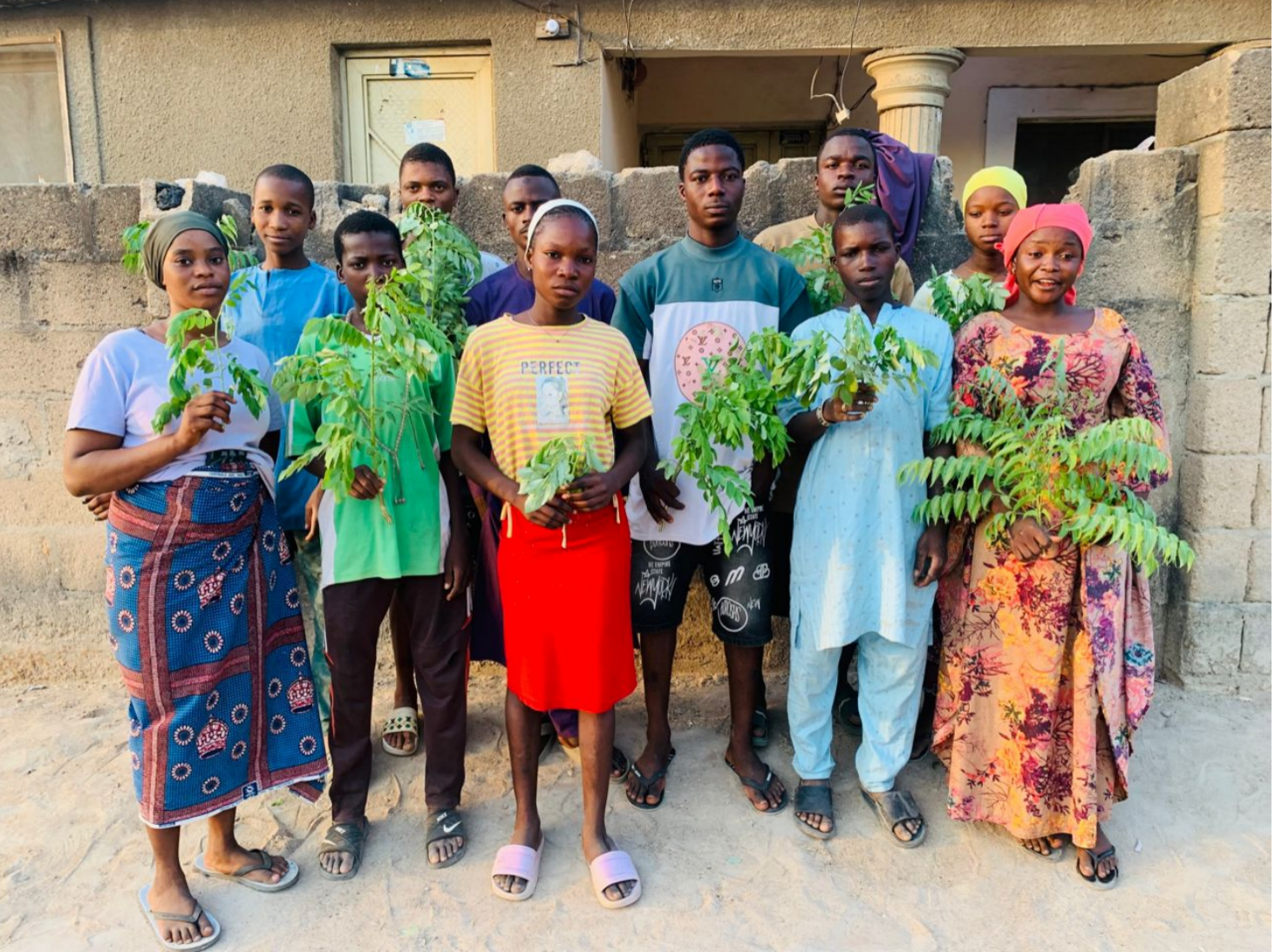
Mozambique: Herb and Vegetable Seedling Nursery
Large Herb and Vegetable Seedling Nursery for Mozambique Community Farm
Mozambique Humanist Community Farm
Location:
Cabo Delgado, Mozambique
Members:
Altaf Baba
Alif Eka
Badru Yassine
Amaciao Bilal
Anson Beny
Celio Elsa
Chilton Chrispen
Daan Sofia
Delson Eka
Everly Gift
Ikbaal Idris
Joshua Isabel
Email: aldertakatu@gmail.com
Phone: +2586054372674
What does Humanism mean to you?
For many of our members, our journey toward humanism began when we started questioning religious beliefs and the role of religion in creating division and conflict in our communities. In parts of Mozambique, we have witnessed how religious extremism has brought fear, instability, and suffering to many people, including Muslims themselves. These experiences encouraged us to seek a worldview based on reason, compassion, and cooperation rather than dogma.
Humanism represents the use of critical thinking, evidence, and shared human values to guide our actions. It teaches us that all people deserve dignity, equality, and respect regardless of gender, tribe, culture, or background. Humanism encourages us to work together to solve problems and improve our communities through practical efforts such as education, cooperation, and sustainable development.
For our community, humanism means building a peaceful, rational, and supportive society where people help one another and work toward a better future together.
Project Description
The Mozambique Community Humanist Farm is seeking $300 in funding to establish a large herb and vegetable seedling nursery that will support agricultural production for the community farm and surrounding villages.
The purpose of the nursery is to produce healthy seedlings of herbs, vegetables, and fruit plants that can be transplanted into farm plots or sold to local farmers and community members. Currently, many farmers in the region struggle to access quality seedlings, which limits crop productivity and income opportunities.
With the establishment of a dedicated nursery, the Humanist Community Farm will be able to grow large quantities of seedlings such as:
Tomatoes
Onions
Peppers
Cabbage
Leafy vegetables
Basil and other culinary herbs
Fruit tree seedlings
The nursery will be built using locally available materials and simple protective structures such as shade nets and raised seed beds. These conditions will help protect young plants from excessive sunlight, pests, and harsh weather while improving germination rates and plant survival.
The project will strengthen the farm’s ability to maintain continuous crop production throughout the year. Seedlings grown in the nursery will supply the community farm’s vegetable gardens while also creating an opportunity to sell surplus seedlings to nearby farmers and markets.
In addition to improving agricultural productivity, the nursery will also serve as a learning and training space where community members can gain practical skills in seed propagation, plant care, and sustainable agriculture. This knowledge will empower members to improve their own gardens and contribute to local food security.
This $300 investment will create lasting impact by increasing crop production, generating small business opportunities, and strengthening the long-term sustainability of the Mozambique Humanist Community Farm.
Budget –
Seedling Nursery Materials (Seeds, Seed Trays, Shade Net, Soil Preparation Tools, Watering Cans, and Construction Materials) – $300
Seeds and seed trays :$150
Shade net for plant protection: $100
Basic gardening tools and watering equipment :$50
Expected Income from Project, with Timeline
Expected Income
The herb and vegetable seedling nursery will allow the Mozambique Community Humanist Farm to produce thousands of seedlings throughout the year. Many of these seedlings will be transplanted into the community farm to improve crop production, while surplus seedlings will be sold to local farmers, gardeners, and nearby villages.
Vegetable seedlings such as tomatoes, cabbage, peppers, and herbs are in high demand because farmers prefer starting their crops with healthy young plants rather than planting seeds directly in the soil. By supplying these seedlings, the community farm will create a reliable source of income.
The nursery is expected to produce several batches of seedlings each month. Income generated from seedling sales may reach $150–$300 per month, depending on seasonal demand and the number of seedlings produced. These earnings will be reinvested into farm activities, seeds, and future community development projects.
Project Timeline
Week 1–2:
Purchase seeds, trays, shade net materials, and tools needed for the nursery.
Week 3:
Construct nursery beds and shade structures and prepare soil mixtures for planting.
Month 1:
Begin planting the first batch of vegetable and herb seeds.
Month 2:
First seedlings will be ready for transplanting and sale.
Month 3–6:
Regular production cycles of seedlings begin, supplying the community farm and generating income through sales.
Year 1:
The nursery becomes a stable and productive part of the community farm’s agricultural system.
Benefits to your Community
The Large Herb and Vegetable Seedling Nursery will provide many important benefits, including:
Reliable access to healthy seedlings for farming
Increased food production and improved crop yields
New income opportunities through seedling sales
Agricultural training and skill development for community members
Support for local farmers and gardeners
Improved food security for surrounding communities
Strengthening cooperation among members of the Humanist community
Promotion of sustainable and environmentally friendly farming practices