
Cameroon: Spice Packaging Buiness
Cameroon: Spice Packaging Buiness
Cameroon: Spice Packaging Initiative
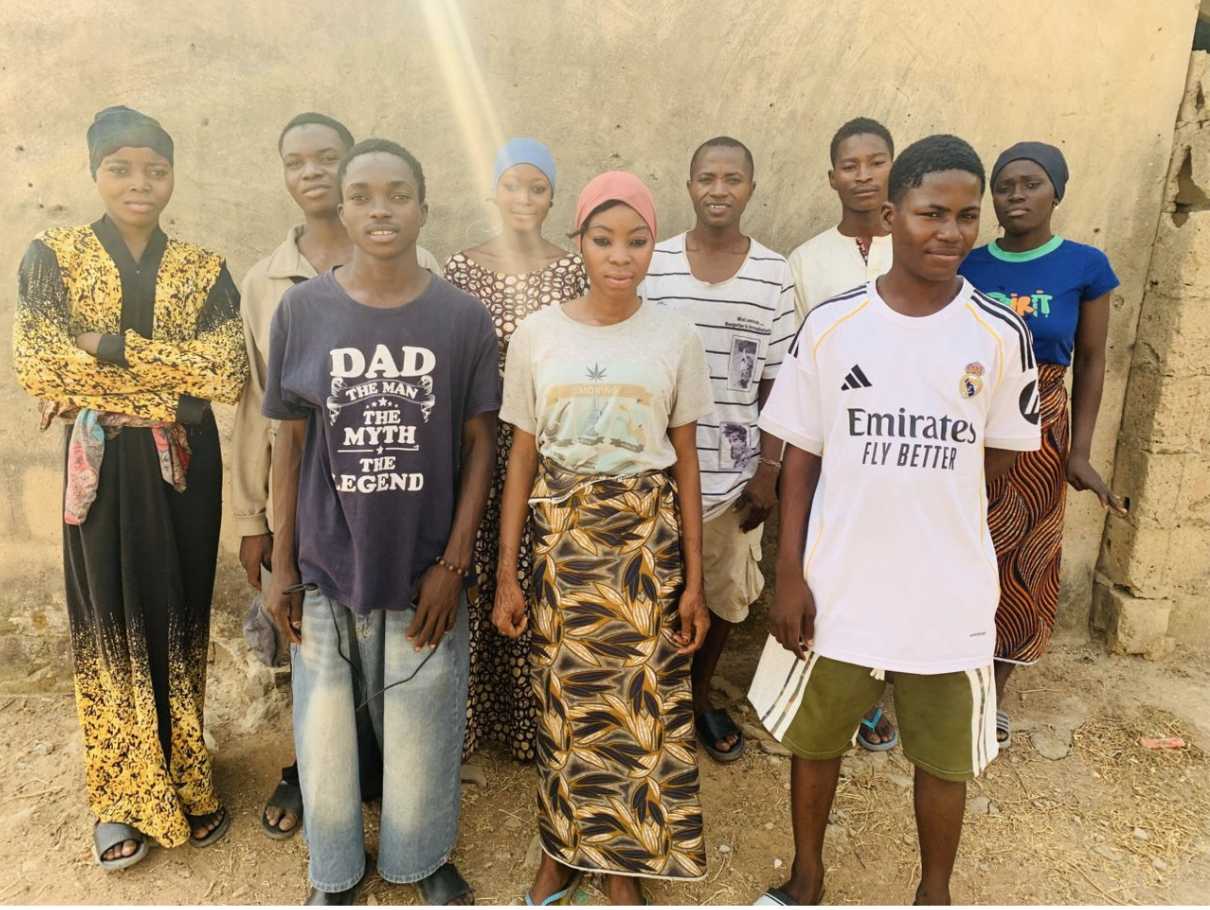
Group: Yaoundé Humanist Forum
Location: Yaoundé, Cameroon
Members
Brigitte Nkwain
Thérèse Mbianda
Jacqueline Ndjock
Pauline Abena
Marie-Claire Atemengue
Rose Manga
Cécile Ngassa
Suzanne Tchana
Veronique Ebongue
Hortense Fongang
Emmanuel Fonkam
Jean-Baptiste Ngoh
Samuel Ewane
Michel Tchoumba
Email: brendangum2687@gmail.com
Phone: +237 650 699 486
What does humanism mean to you?
Being a humanist means placing human wellbeing, dignity, and progress at the center of our actions. It involves using reason, compassion, and evidence-based thinking to improve the lives of people in our communities. For us in the Yaoundé Humanist Forum, humanism also means encouraging cooperation, tolerance, and mutual respect among people regardless of their religious, cultural, or ethnic backgrounds.
In Cameroon, where communities face economic challenges and social inequalities, humanism inspires us to create practical solutions that empower individuals and strengthen communities. We believe that education, skill development, and small-scale entrepreneurship can help people improve their lives through their own efforts and creativity.
Humanism also encourages responsibility toward society and the environment. By supporting initiatives that provide opportunities for women and youth, promote ethical livelihoods, and encourage collaboration, we demonstrate that positive change can be achieved through solidarity and human-centered thinking rather than reliance on superstition or division.
Project Description
The Yaoundé Humanist Forum is seeking support to launch a small-scale spice packaging business that will purchase commonly used local spices in bulk, process and package them into small, affordable quantities, and sell them within the local community. With an initial budget of $300, the project will establish a basic packaging operation equipped with simple tools, packaging materials, and storage supplies.
In many local markets in Yaoundé, spices such as pepper, ginger powder, garlic powder, and mixed seasoning are widely used in everyday cooking. However, these products are often sold in large quantities that many households cannot easily afford. This project will address that gap by purchasing spices in bulk, repackaging them into smaller, affordable sachets, and distributing them within neighborhoods and local markets.
Beyond the production and sale of packaged spices, the initiative will also serve as a skills development opportunity for members of the Yaoundé Humanist Forum, particularly women and young people. Participants will learn practical skills such as measuring and packaging food products, labeling, basic hygiene standards, small business management, and marketing. These skills can help members build confidence and potentially start their own small-scale enterprises in the future.
By combining entrepreneurship, community cooperation, and practical skill-building, the project will demonstrate humanist values in action while creating a sustainable income-generating activity for the group.
Budget – Please include links to verify the costs that you list
Packaging materials (small plastic sachets, containers, labels) – $60
Bulk spices purchase (pepper, ginger, garlic powder, mixed spices) – $80
Measuring and sealing tools (scales, scoops, sealing equipment) – $40
Protective and hygiene equipment (gloves, hair covers, aprons) – $20
Work table and storage containers – $40
Training and demonstration materials – $20
Marketing and branding (labels, flyers, simple advertising) – $20
Transportation and distribution costs – $20
Total – $300
Expected Income from Project, with Timeline
Expected Income from Project
The spice packaging business will generate income through the sale of packaged spices in small affordable sachets.
Estimated price per spice sachet: $0.50
Estimated production per month: 300 sachets
Estimated monthly revenue:
300 sachets × $0.50 = $150
Estimated monthly operating costs: $40–$50 (bulk spices, packaging, transportation)
Estimated monthly net income: $100
As demand increases and the group gains more experience, production could increase to 600 sachets per month, generating:
Monthly revenue: $300
Estimated net income: $200
This income will be reinvested to:
Increase spice production capacity
Train more members of the Yaoundé Humanist Forum
Expand distribution within local markets
Support future humanist community activities
This model aims to ensure both financial sustainability and community empowerment.
Timeline
The project will begin with a one-week setup phase, during which the group will purchase bulk spices, packaging materials, measuring tools, and basic storage supplies. A small workspace will also be prepared to ensure safe and hygienic packaging of the products.
This will be followed by a two-week training phase, where participants will learn the basics of spice packaging, including measuring, hygienic handling of food products, labeling, packaging techniques, and basic business management.
After training, the project will move into an initial production phase lasting two weeks, during which the group will begin packaging spices into small sachets and preparing them for sale. During this stage, members will focus on maintaining consistent quality and improving packaging efficiency
At the same time, a marketing and distribution phase will take place, where the packaged spices will be introduced to local markets, neighborhood shops, and community members. Feedback from customers will help the group refine product sizes, pricing, and packaging design.
Finally, a one-month evaluation and expansion phase will allow the group to review income and expenses, assess production capacity, and develop plans to increase output and involve more members in the project.
Benefits to your Community
This project will benefit the Yaoundé community in several ways. First, it will create a small but sustainable economic opportunity for members of the Yaoundé Humanist Forum, particularly women and young people who may have limited employment opportunities.
Second, the project will provide affordable, conveniently packaged spices for households in the community, making it easier for families to purchase cooking ingredients in quantities that match their daily needs.
Third, the initiative will promote entrepreneurship and practical skill development, equipping participants with knowledge in packaging, product handling, marketing, and small business management.
Finally, the project reflects humanist values by encouraging cooperation, self-reliance, and responsible economic activity that improves the wellbeing of people within the community. Through this initiative, the Yaoundé Humanist Forum aims to demonstrate how small community-driven enterprises can contribute to both economic empowerment and social development.