
Cameroon: Community Spice Garden
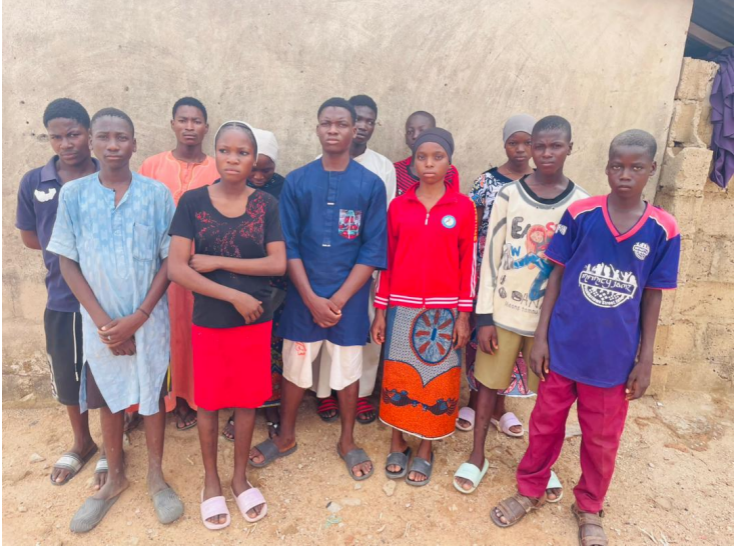
Cameroon: Community Spice Garden
Community Spice Garden
Yaoundé Humanist Forum
Yaoundé, Cameroon
Email: brendangum2687@gmail.com
Phone: +237 650 699 486
Members: Brigitte Nkwain Thérèse Mbianda Jacqueline Ndjock Pauline Abena Marie-Claire Atemengue Rose Manga Cécile Ngassa Suzanne Tchana Veronique Ebongue Hortense Fongang Emmanuel Fonkam Jean-Baptiste Ngoh Samuel Ewane Michel Tchoumba
What Humanism Means to Us
For the Yaoundé Humanist Forum, humanism is about improving human wellbeing through practical, cooperative, and sustainable actions. It emphasizes dignity, reason, and compassion while encouraging people to take responsibility for improving their communities.
Our previous spice packaging initiative demonstrated how small-scale entrepreneurship can empower individuals, especially women and youth. Building on this success, we now aim to strengthen our impact by producing our own raw materials through a community spice garden.
This project reflects humanist values by promoting self-reliance, environmental responsibility, and shared economic opportunity.
Project Description
The Humanist Community Spice Garden Initiative is designed to establish a small-scale garden that will cultivate commonly used spices such as pepper, ginger, garlic, and other local seasoning crops. The harvested spices will serve as raw materials for the Forum’s existing spice packaging business, reducing dependency on market purchases and increasing long-term profitability.
With a proposed budget of $600, the project will secure land access, basic farming tools, seedlings, and irrigation support needed to start and maintain the garden.
The garden will serve multiple purposes:
● Provide a sustainable supply of raw spices for the packaging business
● Reduce production costs and increase profit margins
● Offer hands-on agricultural training for members
● Promote environmental awareness and sustainable farming practices
Participants, particularly women and youth, will gain skills in crop cultivation, soil management, harvesting, and basic agribusiness practices. This will not only strengthen the existing enterprise but also create opportunities for additional income through the sale of surplus produce.
Budget Breakdown
● Land preparation and access (clearing, basic rent or usage fees): $100
● Seeds and seedlings (pepper, ginger, garlic, local spices): $120
● Farming tools (hoes, watering cans, cutlasses, gloves): $100
● Organic fertilizers and soil improvement inputs: $80
● Irrigation support (water storage containers, hoses): $80
● Training and demonstration materials: $40
● Storage and harvesting materials (baskets, drying mats): $40
● Transportation and logistics: $40
Total Budget: $600
Expected Impact and Income Contribution
While the garden will require an initial growing period before full production, it will significantly reduce the cost of purchasing bulk spices for the packaging business.
Short-term (first 3–6 months):
● Partial harvest of fast-growing crops (e.g., certain peppers, leafy seasonings)
● Reduction in raw material costs by approximately 20–30%
Medium-term (6–12 months):
● Increased harvest yields
● Reduction in raw material costs by up to 50%
● Improved profit margins in the spice packaging business
Long-term:
● Full integration with the spice packaging initiative
● Potential sale of excess raw spices in local markets
● Additional income stream for the group
This approach strengthens the sustainability of the original project by shifting from a purely trading model to a production-based value chain.
Project Timeline
● Month 1 – Preparation Phase: Land identification, clearing, and procurement of tools and inputs
● Month 2 – Planting Phase: Planting of selected spices and establishment of irrigation practices
● Months 3–5 – Maintenance Phase: Regular watering, weeding, and monitoring of crop growth
● Months 4–6 – Initial Harvest: Harvesting of early crops and integration into spice packaging production
● Month 6 onward – Expansion and Optimization: Increased cultivation, evaluation of yields, and scaling of production
Benefits to the Community
This project will provide several important benefits:
● Economic sustainability: Reduces input costs for the spice business and increases profitability
● Skill development: Trains members in agriculture and agribusiness
● Food and resource security: Ensures a reliable, local source of spices
● Environmental awareness: Promotes sustainable land use and organic farming practices
● Youth and women empowerment: Creates opportunities for participation and income generation