
Angola: Solar-Powered Ice-Block Factory
Angola: Solar-Powered Ice-Block Factory
Solar-Powered Ice Block Production for Makuku ya Mbadu Collectives
Huíla Province, Angola
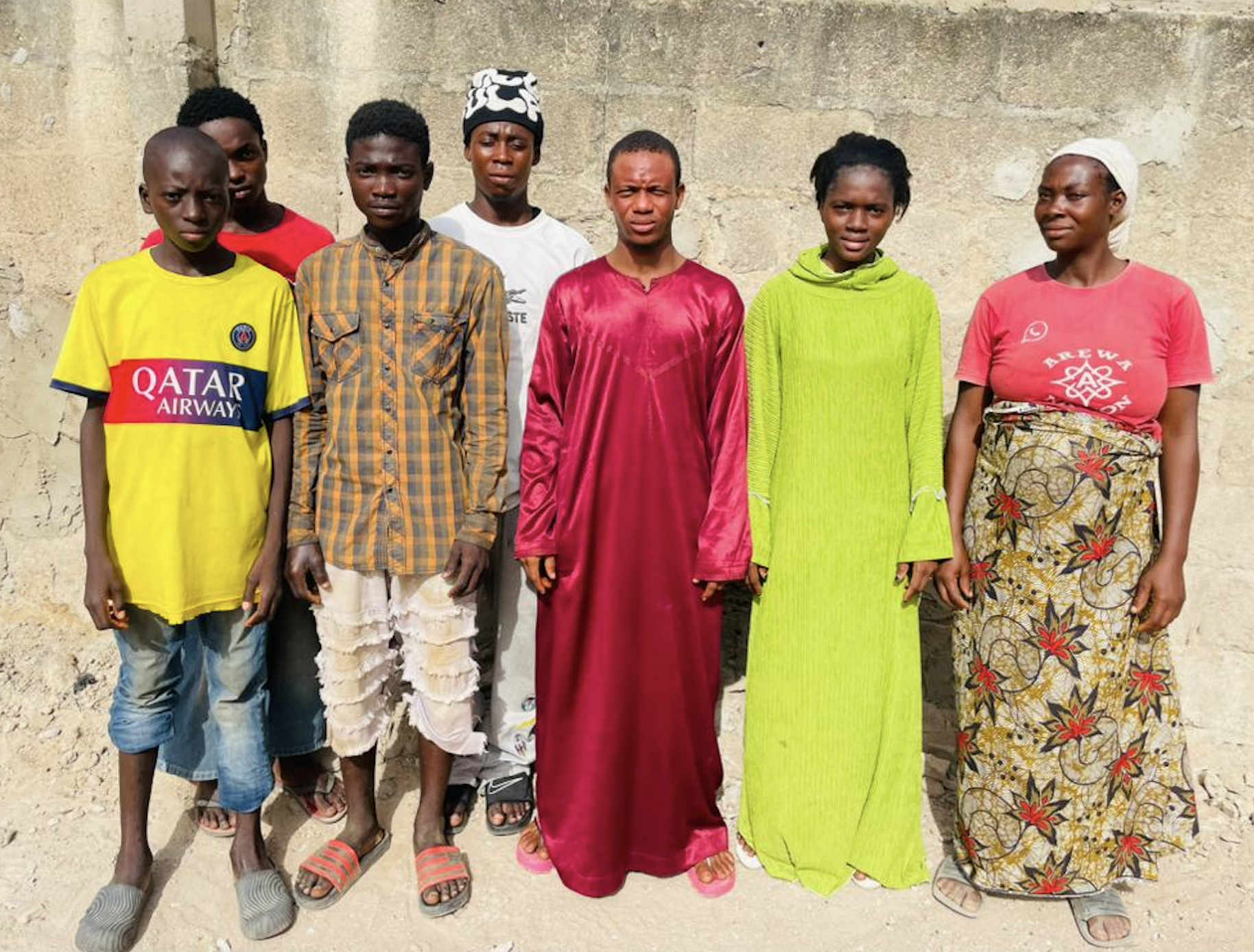
Members
Female Helena Chimbili — Age 29 Rosa Kavungo — Age 34 Jéssica Sambeny — Age 26 Leila Duden — Age 23
Male Domingos Vilinga — Age 17 Elias Nambambi — Age 20 Mateus Kavimbi — Age 45 Fernando Tchissola — Age 19 Armando Kafundanga — Age 36 Paulo Kandala — Age 30 Salvador Chikoti — Age 47 Adriano Chilombo — Age 33
Email: dudenleila@gmail.com Phone: +244 997 641 220 Website or Facebook Page: None
What Does Humanism Mean to You?
My name is Lélia Duden, and humanism is the path that helped me understand myself beyond the beliefs I was raised with. I grew up in a religious environment, following traditions that did not always answer my questions about life and meaning. Over time, I came to value reason, compassion, and evidence as guides for understanding the world. Choosing humanism was not a rejection of my culture, but a commitment to honesty and critical thinking.
Humanism teaches that people have the responsibility to improve their communities through practical action. It promotes empathy, cooperation, and equal respect for all. As a young Angolan, I am inspired by humanism to create solutions that empower people economically and socially. This project reflects those values by providing a sustainable, community-centered source of income and service.
Project Description
Huíla Province faces ongoing challenges with unreliable electricity and limited access to refrigeration. This creates difficulties for small businesses, food vendors, and community members who need to preserve drinks, fish, and other perishable goods. Ice is in constant demand, yet it is often scarce or expensive due to lack of local production.
The Makuku ya Mbadu humanist group proposes to build a solar-powered ice block making system to address this need while generating sustainable income. By using solar energy, the project avoids dependence on unstable power supply and reduces operating costs.
The project will involve setting up a small-scale system consisting of a solar panel, battery storage, a DC-powered freezer unit, and ice molds. Once operational, the system will produce ice blocks daily for sale in local markets and to small vendors.
This initiative will provide a reliable and environmentally friendly solution for ice production, create a steady income stream for the group, and demonstrate how renewable energy can support community development.
Budget (Estimated Costs – Materials Only)
Solar Panel (sufficient capacity for freezer operation) — $200
Battery Storage System — $120
Charge Controller and Inverter — $80
DC Freezer Unit (small-scale) — $150
Ice Block Molds and Containers — $30
Wiring, Connectors, and Installation Materials — $20
Total: $600
Expected Income from Project, with Timeline
The system is expected to become operational within 1 month after setup.
Once running, the ice-making unit is projected to produce approximately 40–50 ice blocks per day, depending on weather conditions and system efficiency.
• Estimated Selling Price per Ice Block: $0.20 – $0.30
• Daily Revenue: $8 – $15
• Monthly Revenue (approx.): $240 – $450
As operating costs are minimal due to solar power, most of the revenue will contribute to profit after minor maintenance expenses.
Estimated Financial Projection
• Initial Investment: $600
• Estimated Monthly Revenue: $240 – $450
• Estimated Break-even Period: 2–4 months
After recovering the initial investment, the project is expected to generate consistent income that can be reinvested into expanding production or supporting other group initiatives.
Project Timeline
Month 1 — Purchase materials and assemble solar-powered system Month 2 — Begin ice production and distribution Ongoing — Daily production, sales, and maintenance
Benefits to the Community
• Provides reliable access to ice for food preservation and small businesses • Promotes the use of renewable solar energy in rural communities • Creates a sustainable income source for the group • Supports local vendors and market activities • Encourages practical, community-based solutions aligned with humanist values • Builds technical and entrepreneurial skills among group members