
Chad: Computer Training Centre
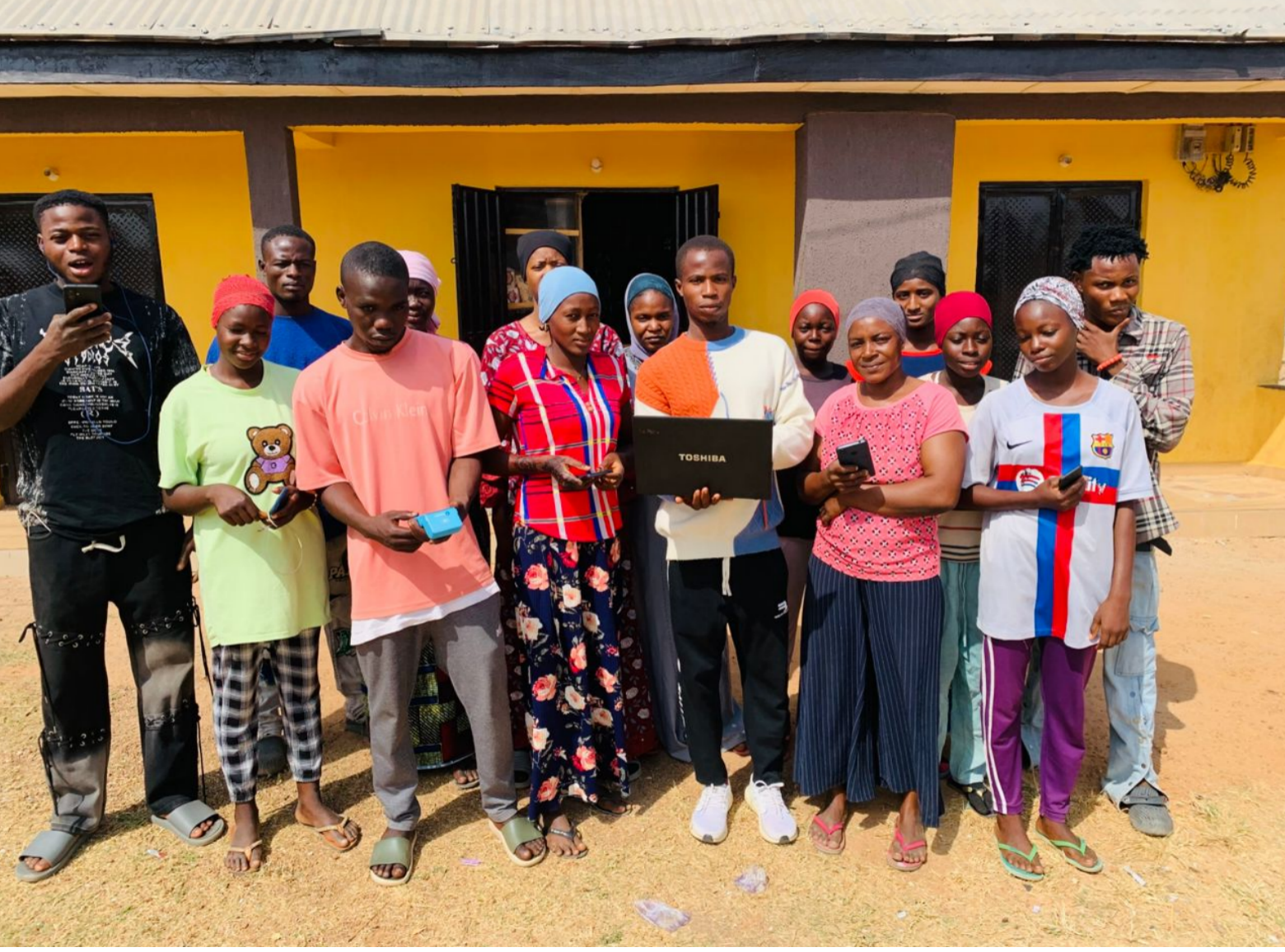
Chad: Computer Training Centre
Computer Training Centre
N’djamena Humanists Collective
Members
Mustapha Sulihat (22, F) mustihatu@gmail.com
Saleh Ismail (23, M) salehmailatu@gmail.com
Adoum Samuel (27, M) adoumsamuel@gmail.com
Abubakar Usman Abdu (27, M) usmanabduabubakar2@gmail.com
Ibn Mahadi Tahir (29, Male) ibnmahaditahir@gmail.com
Email: usmanabduabubakar2@gmail.com
Phone: +2356206161749
What does humanism mean to you?
My humanism is influenced by my curiosity, since I cannot attend school. I am an autodidact who loves to read. My reading first introduced me to atheism books, that of Richard Dawkins and the paleontologist Stephen Jay Goulds. I was convinced there is no God and still yet somehow convinced we have to be good humans, atheism didn’t give me this. Humanism did, and many YouTube videos cemented my faith in secular humanism. I live my life as a humanist, I try to be good to my neighbors, indulge in moderate hedonism, and contribute to the greater good of mankind.
Project Description
This project seeks $1,200 in funding to establish a small but fully functional Digital Training Center in N’Djamena, Chad, operated by the N’Djamena Humanist Collective with support from HuMAN, a U.S.–based humanist charity. The center will provide essential digital literacy and online skills training to adults in the local humanist community, many of whom currently lack access to computers, internet connectivity, and the modern digital tools required for economic and social empowerment.
Adults in the N’Djamena humanist community face several barriers that make a digital training center especially important. Many households do not own computers, and internet access is often costly or unreliable. Community members typically have little experience with basic software, email, or online communication tools, which limits their ability to find jobs, enroll in training programs, or participate in digital marketplaces. In addition, humanists in Chad can experience social isolation, and improved digital connectivity provides a safe avenue for learning, community-building, and engagement with global networks.
With the $1,200 budget, the project will equip a modest training space with two refurbished laptops, a basic internet router and data package, solar or backup power support, and essential training materials. These resources will allow the Humanist Collective to offer foundational digital literacy courses, including computer operation, typing, document creation, and using email and online platforms. It will also provide practical digital skills that support economic empowerment, such as résumé development, job-search assistance, and introductions to online work opportunities.
Beyond technical training, the center will strengthen the humanist community by offering safe access to educational materials, opportunities to connect with global humanist groups, and workshops on critical thinking, secular ethics, and community organizing. A small group of participants will also be mentored to become peer trainers, helping ensure sustainability and long-term growth.
The Digital Training Center will give adults in the N’Djamena humanist community the tools to become more economically independent, socially connected, and confident in navigating an increasingly digital world. For many, this will be their first opportunity to access computers and the internet in a supportive, inclusive environment. With a modest investment of $1,200, the project will create lasting, meaningful change for a marginalized community eager to learn, connect, and build a better future.
Budget
Refurbished Laptops (2 units) – $500
Includes chargers
Basic office-ready specifications
Pre-cleaned and tested hardware
Internet Access Setup – Router + 3-Month Data Package – $180
4G/5G capable router
Initial SIM and activation
Three months of data for training sessions
Power Support System – Solar Backup / Voltage Stabilizer – $200
Small solar backup or UPS
Surge protector
Necessary cables and connectors
Furniture for Training Space – $120
Two sturdy tables
Four chairs
Simple cable management supplies
Training Supplies & Learning Materials – $60
Notebooks, pens, markers
2 USB flash drives for file storage
Printed training handouts
Software & Licensing Costs – $70
Office productivity suite
Antivirus and security tools
Basic educational apps
Local Setup, Rentals and Installation Expenses – $70
Shop lease
Transportation of materials
Local technician assistance
Room preparation and cleaning
Total: $1,200
Expected Income from Project, with Timeline
Although the Digital Training Center is primarily a community empowerment initiative, it is structured to generate sustainable income that supports its long-term operation. The center will charge modest training fees approximately $5–$7 per participant per session for participants who are able to pay, while still welcoming low-income learners at reduced or no cost. With an estimated 30–40 paying participants per month, the center can generate about $150–$210 per month.
In addition, the center will offer optional paid services such as résumé writing, printing, scanning, and basic computer assistance. These services are expected to generate an additional $25–$35 per month. Together, the Digital Training Center can expect average monthly revenue (“averaged amount”) of approximately $175–$245, resulting in annual revenue of about $2,100–$2,940. This income will help sustain internet service, replace equipment as needed, purchase training supplies, and expand community programs.
Benefits to Community
Benefits of the Program to the Community
Improved digital literacy and computer skills for adults
Increased access to online job opportunities and income-generating tools
Enhanced ability to create résumés, apply for jobs, and communicate professionally
Safe, inclusive space for humanists to learn and connect
Strengthened community organization and access to global humanist networks
Greater social inclusion through digital communication and networking
Development of future local trainers, building long-term sustainability
Empowerment of marginalized individuals through education and technology