
Phone Repairs Booth
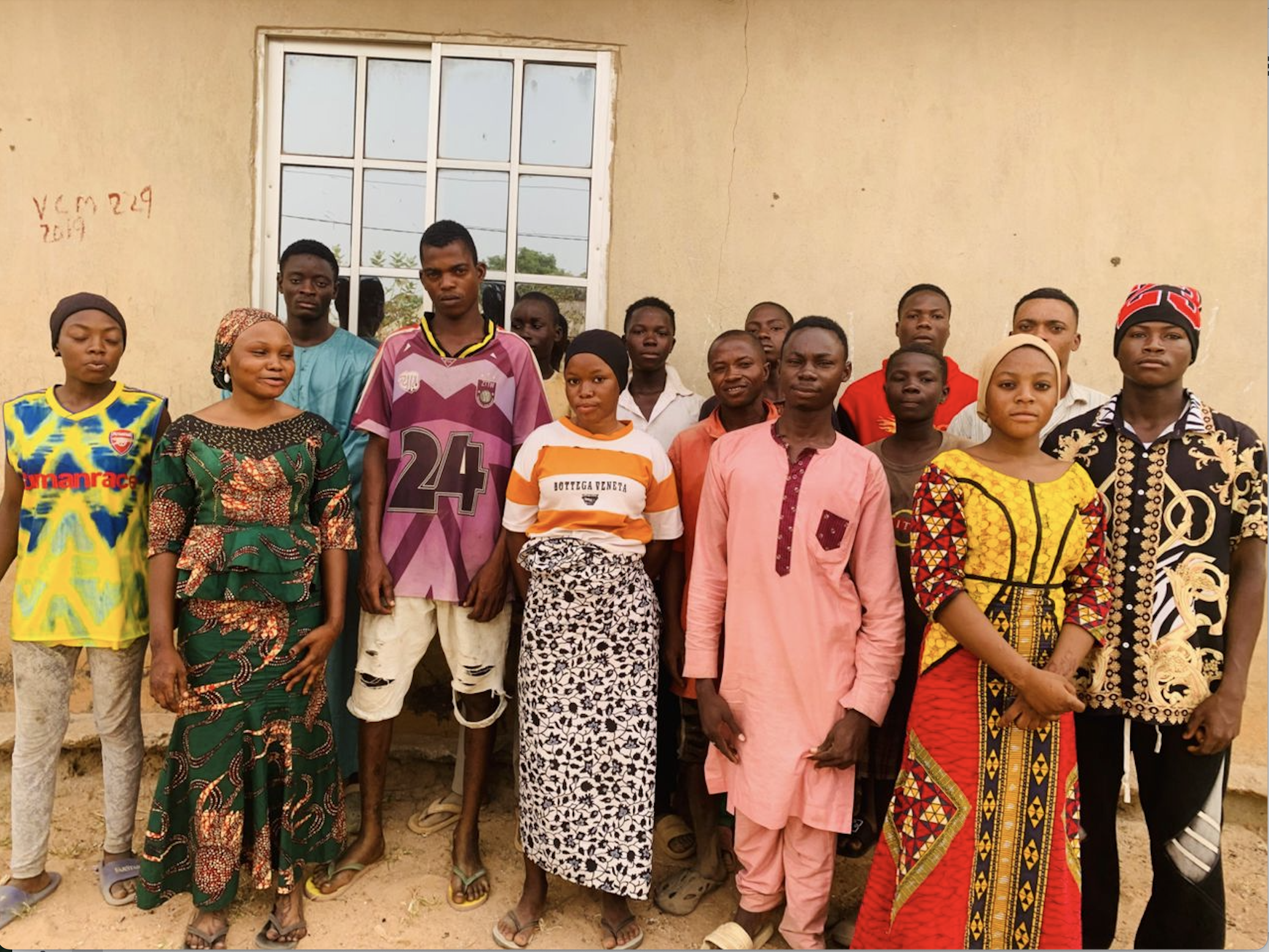
Kpakpa Humanist Collective
Location: Dapaong
Members :
• Kwame Osei – Male
• Kofi Opoku – Male
• Yaw Boadu – Male
• Kwabena Asare – Male
• Kwaku Nana – Male
• Akwasi Ofori – Male
• Nana Mensah – Male
• Osei Tutu – Male
• Opoku Agyeman – Male
• Boadu Antwi – Male
• Asare Frimpong – Male
• Ama Serwaa – Female
• Akua Mensima – Female
• Yaa Adomaa – Female
• Grace Victor – Female
Email: ameyooutil6@gmail.com
Phone: +233 24 925 5296
What does humanism mean to you?
Humanism, to me, means choosing humanity as my foundation. It is the belief that human beings have the ability and responsibility to shape our own lives through reason, compassion, and shared values. I do not believe in God or any supernatural power guiding my actions. Instead, I believe that meaning comes from what we do for one another here and now. Growing up in Togo, religion was everywhere in homes, schools, and community life. Over time, I realized that my sense of right and wrong did not come from fear of divine punishment or hope for heavenly reward. It came from empathy, critical thinking, and a deep respect for human dignity. My disbelief in God does not make me immoral or empty; it makes me intentional about how I live and how my actions affect others.
Humanism teaches me that every person matters, regardless of gender, belief, or background. As a woman, this is especially important to me. I believe in equality, education, and the freedom to question traditions that limit human potential. I trust science, dialogue, and evidence to help us solve problems, improve our communities, and build a just society. For me, humanism is about living honestly, caring deeply, and taking responsibility for my choices. I may not look to God for answers, but I look to humanity with all its flaws and possibilities as my source of hope and purpose.
Project Description
The Kpakpa Humanist Collectives seeks $300 to establish a phone repair booth that will serve as a sustainable income-generating initiative for our humanist group. This project aims to empower all members women, men, and gender-diverse persons by providing practical vocational training, employment opportunities, and a source of collective revenue that supports both individual livelihoods and group activities. Mobile phones are essential tools for communication, education, and commerce in Kpakpa and surrounding communities. However, many people struggle to access affordable and reliable phone repair services. By setting up a small, well-equipped phone repair booth, we will fill this gap while creating a sustainable economic pathway for members of the collective.
With the $300 funding, we will purchase basic repair tools and accessories such as screwdrivers, multimeter, opening tools, replacement parts (screens, batteries), and a secure table and signage for the booth. Priority will be given to inclusive planning and participation, ensuring that skills training is open to all genders in the group. Members will take turns managing the booth, diagnosing problems, repairing devices, and handling customer service.
This project directly supports sustainability in multiple ways:
Economic empowerment: Members gain practical skills that can lead to ongoing income beyond the initial startup phase.
Inclusivity: Training and work opportunities are open to all gender identities within the collective, promoting gender equity in technical skills and earning potential.
Community service: Affordable and trustworthy phone repair strengthens community ties and enhances access to communication tools needed for education, work, and civic engagement.
Collective revenue: Profits generated will be reinvested into the group to support future humanist initiatives such as workshops, events, and social outreach programs.
By supporting this phone repair booth, funders will help build a foundation of self-reliance, shared economic benefit, and inclusive development for the Kpakpa Humanist Collectives.
Budget
Precision screwdriver & tool kit — $30 (basic set with bits, pry tools, suction)
SmartBuy
Anti-static mat & wrist strap — $10 (protects phone components)
Mobile Cell Phone Repairing
Digital multimeter — $25 (for testing phone circuits)
Mobile Cell Phone Repairing
Soldering iron + basic accessories — $35 (for small repairs)
Mobile Cell Phone Repairing
Tweezers & precision brushes — $15 (tiny part handling)
Mobile Cell Phone Repairing
Replacement parts starter pack — $100 (common batteries, charging ports, adhesive strips)
SmartBuy
Cleaning supplies (IPA, cloths, brushes) — $10 (cleanup before/after repair)
Mobile Cell Phone Repairing
Basic spare screens (generic small models) — $50 (for common screen replacements)
SmartBuy
Consumables (glue, tape, small parts bins) — $25 (keep parts organized)
SmartBuy
Total: $300
Expected Income from Project, with Timeline
We expect the phone repair booth to start generating income quickly after setup. In the first 14 days (Days 1–14), members will complete basic training and begin offering services locally. By Day 15–Day 30 (Weeks 3–4), with an average of 5 repairs per week at about $10–$25 per repair (typical small repair pricing in Ghana e.g., battery, port fixes) we anticipate earning $50–$125 weekly, or approximately $200–$500 in the first month. As we build trust and visibility, by 60 days (8 weeks) we expect repair volume to increase to 10–15 repairs per week, leading to weekly income of $100–$375 and roughly $400–$1,500 in the second month.
Over 3 months (12 weeks) of consistent service and community outreach, this income can support ongoing operations and growth. With these figures, the booth could cumulatively bring in $800–$2,000+ in the first 3 months, allowing us to reinvest in parts and tools and start modestly compensating members. This steady income stream helps all genders in the group gain practical skills and individual earnings, while contributing collectively to sustainability goals by funding future humanist activities and shared needs.
Benefits to your Community
A phone repair booth will benefit the broader community by providing affordable, convenient services that help people fix essential communication devices quickly and without long travel or high costs, which saves time and money for individuals and families. It will keep money circulating locally, boosting the economy and creating job and skill-building opportunities for residents, especially youth who will learn and apply technical skills right in the neighborhood. This accessible service also reduces electronic waste by extending the life of phones rather than encouraging premature disposal, contributing to sustainability and responsible consumption in the community.