
Senegal: Eco-Friendly Community Garden with Composting
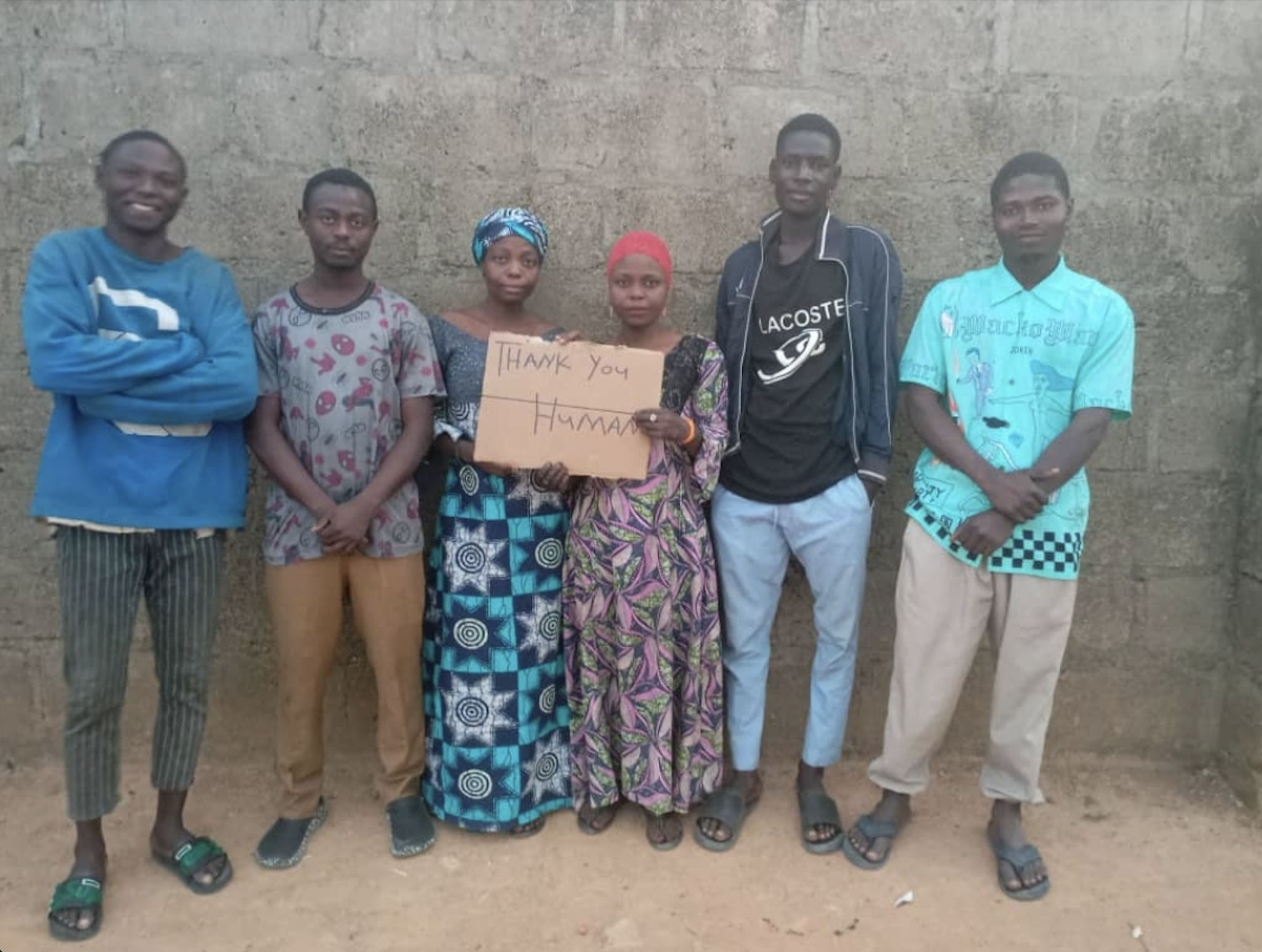
Senegal: Eco-Friendly Community Garden with Composting
Eco-Friendly Community Garden with Composting.
Kersa Humanist Community Initiative.
Keur Massar, Dakar, Senegal.
Members:
Dame Diongue, Female, 28 years, +221 70 864 3927, dionguedame86@gmail.com
Rokhaya Gassama, Female, 27 years, +221 76 913 4482, rokhayagassama.sn@gmail.com
Malick Fofana, Male, 25 years, +221 78 344 9051, malickfofana.sn@gmail.com
Pape Alioune Cissé, Male, 29 years, +221 76 611 2843, papecisse.sn@gmail.com
Ndeye Coumba Mbengue, Female, 28 years, +221 77 502 7619, ndeyecmbengue@gmail.com
Serigne Modou Sy, Male, 31 years, +221 77 948 3706, serignemodousy@gmail.com
Babacar Thiam, Male, 34 years, +221 70 522 8164, babacarthiam.sn@gmail.com
Email: Dionguedame86@gmail.com.
Phone: +221 70 864 3927.
What does humanism mean to you?
For us collectively, humanism is a worldview that places human life and dignity above spiritual claims. We believe our strength comes from our minds, our compassion and our shared experiences. Humanism guides us to settle conflicts through dialogue instead of fear or threats of divine punishment. It pushes us to treat women and men with equal respect and to challenge any belief that limits freedom or personal growth. To us, humanism means solving problems using knowledge, science and teamwork. It also means standing with those who are suffering and using our voice to defend their rights. Since we believe this life is the only one we have, humanism encourages us to make it meaningful by caring for each other and building a future that is shaped by fairness and understanding.
Project Description:
This project will create a small eco-friendly community garden in Keur Massar, Dakar. The garden will use compost made from food waste instead of chemical fertilizers. Young people and women from the community will learn how to grow vegetables using simple, natural methods.
The project will include training on composting, basic gardening skills, and environmental responsibility. The garden will provide food for families and also teach sustainability and cooperation based on humanist values.
Budget:
1. Basic Gardening Tools – $95
Hoes (3 × $12) = $36
Watering cans (2 × $10) = $20
Buckets (3 × $5) = $15
Shovel (1 × $14) = $14
Small hand tools (trowels, rake) = $10
Subtotal: $95
2. Vegetable Seeds – $65
Tomato seeds (bulk pack) = $18
Onion seeds (bulk pack) = $15
Spinach seeds (bulk pack) = $14
Pepper seeds (bulk pack) = $18
Subtotal: $65
3. Composting Materials – $55
Compost bins (2 × $18) = $36
Compost sacks (5 × $3) = $15
Protective gloves (2 pairs × $2) = $4
Subtotal: $55
4. Training Materials – $25
Printed training guides and posters = $10
Notebooks and pens for participants = $9
Markers and flipchart paper = $6
Subtotal: $25
5. Water Access Support and Transport – $60
Water purchase and storage support = $35
Transport of tools and materials = $25
Subtotal: $60
Grand Total: $300
Expected Income from Project, with Timeline:
The project may generate small income after 3–4 months by selling extra vegetables. Any income will be used to maintain the garden and support future community activities.
Benefits to your Community:
This project improves food security, teaches sustainable farming, and reduces waste through composting. It supports teamwork, learning, and respect for nature. The garden helps families save money, eat healthier food, and builds a stronger, cooperative community.
Explain how to send money to you, using the methods below:
Crypto Wallet (Preferred):
Bitcoin Wallet Address:
1FKdyFYVqL3KD9XHwhSNwQj6428LCM9Rgh