
Djibouti: Compost Shed to manufacture and sell “compost tea”
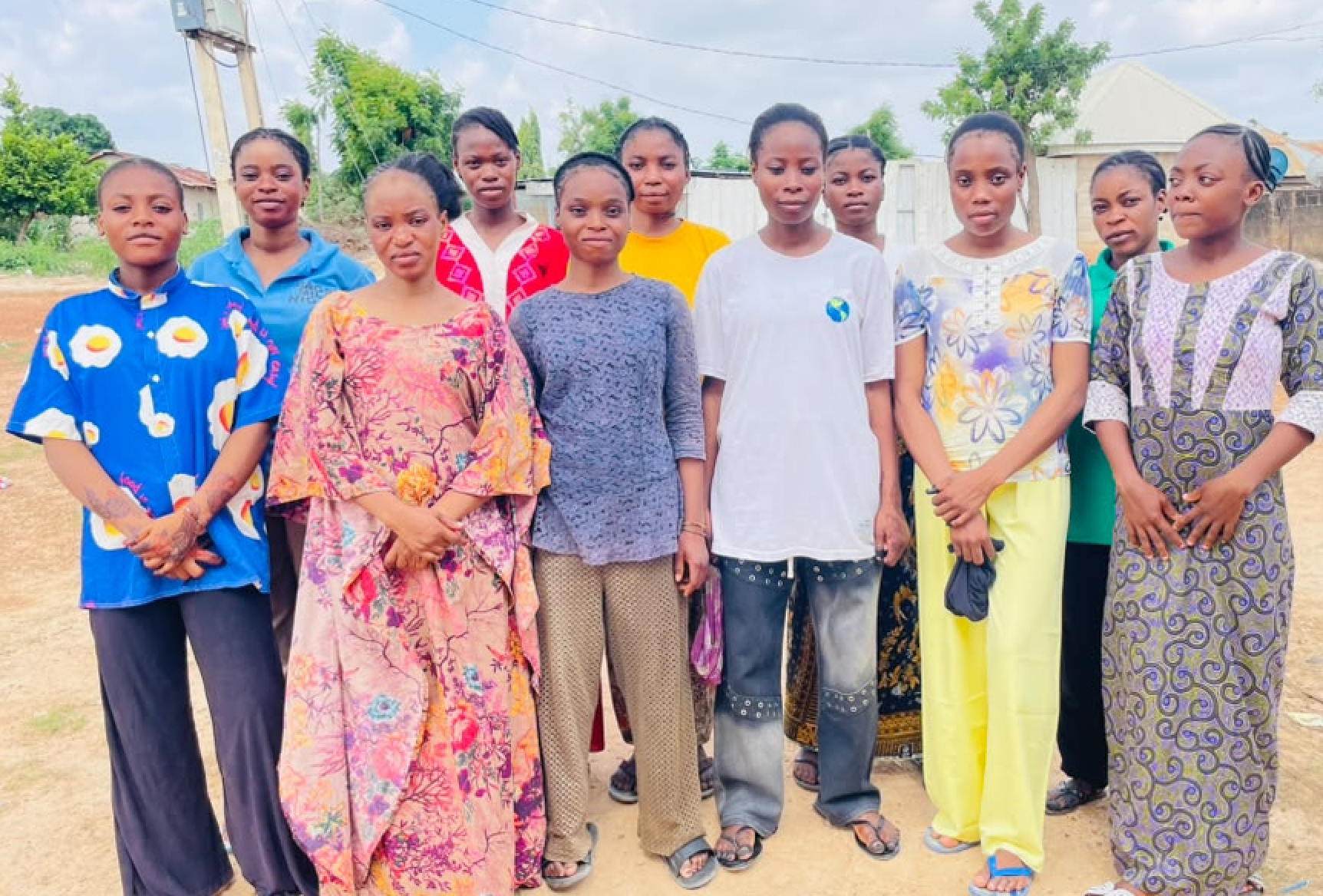
Djibouti: Compost Shed to manufacture and sell “compost tea”
Djibouti Humanist Agriculture Initiative
Arta Region, Djibouti
Email: ayaansuha8@gmail.com
Phone: +25377420884
What does humanism mean to you?
To me, humanism means recognizing that this one physical life is all we have and taking full responsibility for how we treat each other, without relying on God(s), religious dogma, or the fear of hellfire to make us good people. Growing up here in Djibouti, where Islam dictates everything from the laws we live under to the way we dress and interact every single day, stepping away from religion to embrace atheism was a massive shift, but it didn't strip away my morality; it actually made it deeply real. Humanism is the firm belief that our moral compass should be driven by genuine empathy, human rights, and critical thinking rather than ancient texts. It means I can still deeply love my culture, share sweet, spiced shaah with my neighbors, and honor our beautiful Somali and Afar traditions of community care, but I do it simply because I care about the actual humans in front of me, not because I am trying to score points for paradise. Ultimately, humanism is the fierce demand for a secular society where women aren't restricted by traditional religious expectations and where we all finally accept that the power to fix our struggles, lift each other up, and build a fair, compassionate world rests entirely in our own hands.
Project Description
Our project aims to establish a commercial composting shed in the Arta region to produce and supply high-quality organic compost and compost tea to local farmers. In Djibouti, agricultural output is severely limited by poor soil quality, sand, and extreme heat. By collecting organic waste from local markets, agricultural scraps, and households, we will process it into nutrient-rich compost. This not only diverts waste from landfills but also creates a vital resource that helps retain soil moisture and improves crop yields in our arid climate.
The $300 HuMAN grant will be used as seed funding to construct the primary composting shed and purchase the essential materials required to begin production. Once the structure is built, we will initiate a continuous cycle of aerobic composting. After the compost matures, we will package the solid compost and brew liquid compost tea, which provides an immediate nutrient boost to crops. These products will be sold to local farmers at highly subsidized rates, creating a self-sustaining revenue stream while directly supporting local food security.
Budget
Wooden pallets and structural lumber for constructing the composting bins: $80
Heavy-duty UV-resistant tarps for covering compost piles to retain moisture: $45
Two large 50-gallon aerated brewing barrels for compost tea: $75
Commercial air pump and tubing for oxygenating the compost tea: $50
Basic hand tools (pitchforks, shovels, and compost thermometer): $50
Total: $300
Expected Income from Project, with Timeline
Months 1-2: Shed construction, waste collection, and initial composting process. (No income)
Month 3: First batch of compost and compost tea ready for sale. Expected initial income: $80 per month.
Months 4-6: Scaling up production as local demand increases. Expected income: $150 to $200 per month. All initial profits will be strictly reinvested into purchasing more bins, expanding waste collection, and maintaining the sheds.
Benefits to our Community
This project will provide a localized, affordable source of organic fertilizer to farmers who currently struggle with the high cost of imported chemical fertilizers. It will improve soil health and water retention, which is absolutely critical in Djibouti's arid environment, directly increasing local food production and security. Furthermore, the project will clean up our community by reducing rotting organic waste in streets and markets, promoting environmental health, preventing the spread of disease, and teaching sustainable, reason-based agricultural practices to our neighbors.